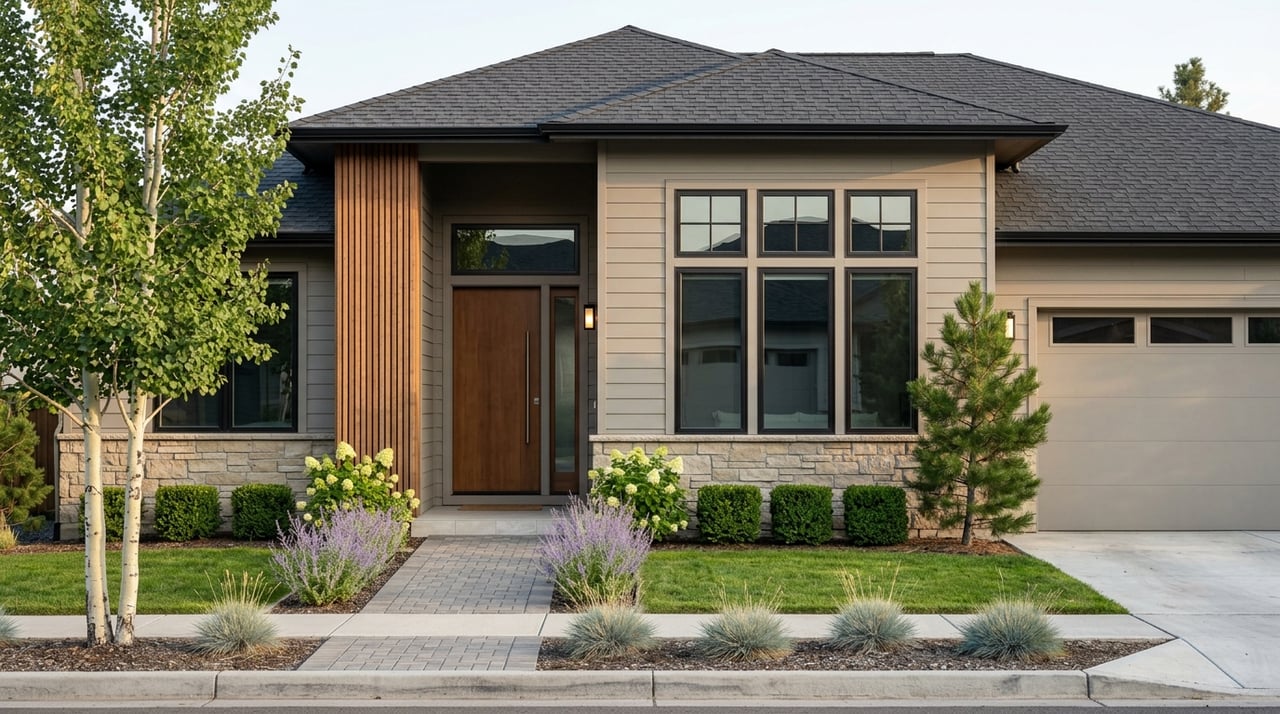
Pre‑Listing Construction Checkups For Centennial Luxury Homes
June 11, 2026
June 11, 2026
If you plan to sell a luxury home in Centennial, the biggest listing mistake is often not price. It is waiting too long to uncover repair issues that buyers, appraisers, and lenders may notice right away. A pre-listing construction checkup helps you spot the items most likely to affect confidence, timing, and negotiation before your home goes live. Let’s dive in.
Centennial sellers deal with real exterior wear risks. The Denver metro area regularly faces severe weather conditions that can include hail and strong thunderstorm winds, and Colorado hailstorms and straight-line winds can damage buildings. That makes your roof, drainage, and exterior envelope especially important before you list.
In Centennial, timing matters for another reason. The city requires permits for construction, alteration, repair, and work involving electrical, gas, mechanical, and plumbing systems. Several common replacement projects, including reroofs and like-for-like windows, doors, AC, furnace, and water heater work, can often move through one-stop permits, which gives you a practical path to complete targeted repairs without turning prep into a full renovation.
There is also a financial reason to act early. Appraisals consider a home's condition and characteristics, and appraisers are expected to report deferred maintenance, needed repairs, and physical deficiencies that may affect safety, soundness, or structural integrity. In other words, visible issues can affect far more than a buyer’s first impression.
For most Centennial luxury homes, the smartest first step is not cosmetic. It is identifying the systems most likely to trigger inspection concerns, appraisal comments, or follow-up questions from serious buyers.
The roof should be at the top of your list. In Centennial, roof repairs over 100 square feet require a permit, and repairs over 25% of the total roof area require a full tear-off and reroof. Mid-roof inspections are also required for reroof permits, so waiting until the last minute can put pressure on your listing timeline.
A roof review should include shingles or other roofing material, flashing, penetrations, skylights, gutters, and signs of leak history. Because Colorado’s residential seller disclosure form asks about roof age, material, warranty status, leaks, and damage, an early inspection can help you answer those questions more accurately.
The wider exterior envelope matters too. If water is not moving away from the home properly, buyers may worry about larger maintenance issues. Drainage, grading, siding transitions, and visible sealant failures all deserve a close look.
In luxury homes, windows and doors do more than frame views. They are a major part of how buyers judge upkeep, comfort, and water resistance. Centennial treats like-for-like windows and doors as one-stop permits, but structural changes move into a longer review process.
Before listing, check for failed seals, frame movement, difficult operation, and signs of moisture intrusion. Colorado’s disclosure form also asks about window leaks, so this is not an area to leave vague. Large glass areas can be a selling point, but only when they read as well-maintained.
HVAC, water heaters, gas lines, and electrical components deserve early attention. Centennial requires permits for work on electrical, gas, mechanical, and plumbing systems, and the city states that contractors and subcontractors working there must be licensed and carry required insurance.
That means your repair plan should focus on qualified vendors and proper permit closeout, not just the lowest bid. From a transaction standpoint, nonfunctioning equipment or obvious deferred maintenance can become appraisal or lender concerns, especially when heating, cooling, or other major systems are involved.
Cosmetic work still matters, especially in the luxury segment where buyers expect a home to feel cared for from the start. Paint wear, dated caulking, tired trim, worn flooring, lighting inconsistencies, and neglected landscaping can make a home feel less maintained than it really is.
Appraisal guidance also considers overall condition and upkeep. The goal is not perfection. The goal is to make the home present as consistently maintained, not visibly deferred.
A strong pre-listing checkup usually starts with a practical triage. Focus on the areas that most often create concern during showings, inspections, and financing review.
For a luxury home in Centennial, six to twelve months before listing is a smart planning window when larger system issues may be involved. That gives you time to inspect early, gather bids, schedule permitted work, and leave the final stretch for touch-ups and staging.
A practical sequence looks like this:
This kind of pacing helps you stay in control. It also reduces the chance that listing prep turns into a rushed series of reactive repairs.
One of the most useful parts of pre-listing planning is understanding what can move quickly and what may need more lead time. Centennial requires permits for construction, alteration, repair, and for electrical, gas, mechanical, and plumbing work.
The city identifies several common one-stop permit categories that can be especially helpful for sellers, including:
Not every project fits the fast path. Structural window or door changes and other larger residential work may need a longer review. If you are considering meaningful alterations rather than straightforward repairs, it helps to sort that out early.
A pre-listing checkup is not just about deciding what to fix. It is also about building a clean, credible paper trail.
Colorado’s seller disclosure framework is based on your current actual knowledge and requires prompt disclosure of new adverse material facts. The residential disclosure form asks about moisture and water intrusion, hail or wind damage, settling or cracking, roof leaks, window leaks, drainage and grading, furnace age and type, and prior reports or studies.
That makes documentation valuable in several ways. It supports accurate disclosure, gives buyers confidence that work was handled properly, and helps your agent respond quickly when questions come up.
For luxury resale, presentation is not only visual. It is procedural. A well-documented home often feels more credible to a serious buyer.
Not every issue should be fixed before listing. The right choice depends on whether the problem affects safety, code compliance, financing, appraisal risk, or buyer confidence.
A simple way to think about it is in three buckets.
These are issues that may affect safety, soundness, system function, or the likelihood of a clean appraisal and closing. Roof leaks, nonfunctioning HVAC equipment, active water intrusion, or work that clearly requires licensed repair and permits usually belong here.
Some items are important but not urgent enough to delay launch if the timing is tight. In those cases, a credit may work if the issue is well understood, documented clearly, and unlikely to derail financing. The key is that the problem should not create uncertainty about larger hidden defects.
Purely cosmetic issues or updates tied more to personal taste than function can often be addressed through pricing and presentation. That may include finishes a buyer intends to change anyway, as long as the home still reads as maintained.
This is where construction literacy matters. The goal is not to over-improve. The goal is to separate what truly affects risk from what simply affects preference.
In Centennial’s luxury market, a construction-aware listing strategy can reduce friction at every stage. A Realtor with hands-on building knowledge can help you sort issues into code or safety concerns, appraisal-sensitive repairs, and cosmetic updates that support presentation.
That matters because some work can move quickly through Centennial’s one-stop permit process, while other items require more planning. It also matters because buyers in high-value transactions often look closely at condition, maintenance history, and the quality of prior work.
Charles Ward’s approach is built for that kind of planning. With a construction-industry background and a polished luxury listing process, he helps sellers evaluate what needs attention, coordinate the right next steps, and present the home with clarity and confidence.
If you are preparing to sell a luxury home in Centennial and want a smart, construction-informed plan before you list, connect with Charles Ward for a complimentary home valuation and pre-listing strategy conversation.
Stay up to date on the latest real estate trends.




Contact Charles today to learn more about his unique approach to real estate, and how he can help you get the results you deserve.

5600 S QUEBEC ST STE 150D GREENWOOD VILLAGE CO 80111