Renovating A Luxury Home In Castle Pines Village: Key Considerations
July 2, 2026
July 2, 2026
Thinking about renovating a luxury home in Castle Pines Village? A beautiful idea on paper can get complicated quickly once you factor in design review, layered association rules, narrow roads, county permits, and the realities of building in a wooded, high-elevation setting. If you plan carefully, you can protect your investment, improve daily living, and avoid costly missteps. Let’s dive in.
In Castle Pines Village, the first step is not picking tile or drawing a new patio. It is understanding the approval structure that governs improvements across the community.
The Village at Castle Pines spans roughly 2,800 acres, includes 13 miles of trails, and operates with five staffed gates in unincorporated Douglas County. The Homes Association’s stated mission is to preserve property values and quality of life by controlling the appearance, condition, and use of land, buildings, and other improvements.
That matters because homeowners may be subject to both master association rules and stricter sub-association rules. There are 19 sub-associations, so your renovation path may involve more than one layer of review before work begins.
Many luxury upgrades that feel routine elsewhere require Design Review Committee approval here. That includes exterior modifications, landscape changes, lighting, outdoor kitchens, hot tubs, play sets, sports courts, and similar improvements.
In some cases, your sub-association must review plans first. If your project affects golf-course setbacks or changes golf-course views, separate golf-course approval may also be required.
This is why it helps to define the full scope early. If you make piecemeal decisions, you risk redesign work later when an exterior, landscape, or site feature triggers another level of approval.
Once your community approvals are clear, the next step is Douglas County. Because the Village is in unincorporated Douglas County, the county handles building permits and requires contractor registration.
For additions, the county may require a site plan, floor plans, elevation drawings, cross-sections, engineered foundation plans, structural framing plans, drainage and erosion control submittals, and energy-compliance documentation. The county also recommends getting HOA approval before applying for permits.
Even if your project feels simple, do not assume permits are optional. Douglas County notes that some interior remodels and basement finishes may qualify for over-the-counter plan review, but a permit still must be issued before work starts.
If your renovation timeline stretches into 2026, code timing deserves attention. Douglas County says it will update its building codes on July 1, 2026, including the 2024 IRC, 2024 IBC, and a Douglas County Wildfire Resiliency Code.
That does not mean every project should be rushed. It does mean you should ask your design and construction team how your schedule, plans, and scope could be affected if permit submission or construction lands near that transition.
Luxury communities often have hidden logistical challenges, and Castle Pines Village is no exception. The Village specifically warns that its narrow, resort-style roads require strict parking guidelines during construction.
That affects more than convenience. It can shape staging plans, crew access, material delivery timing, and even how long a project takes.
If your work touches public rights-of-way or utility easements, you may also need a right-of-way permit. Local rules state that dumpsters and roll-off containers must stay on the property or driveway rather than in the street.
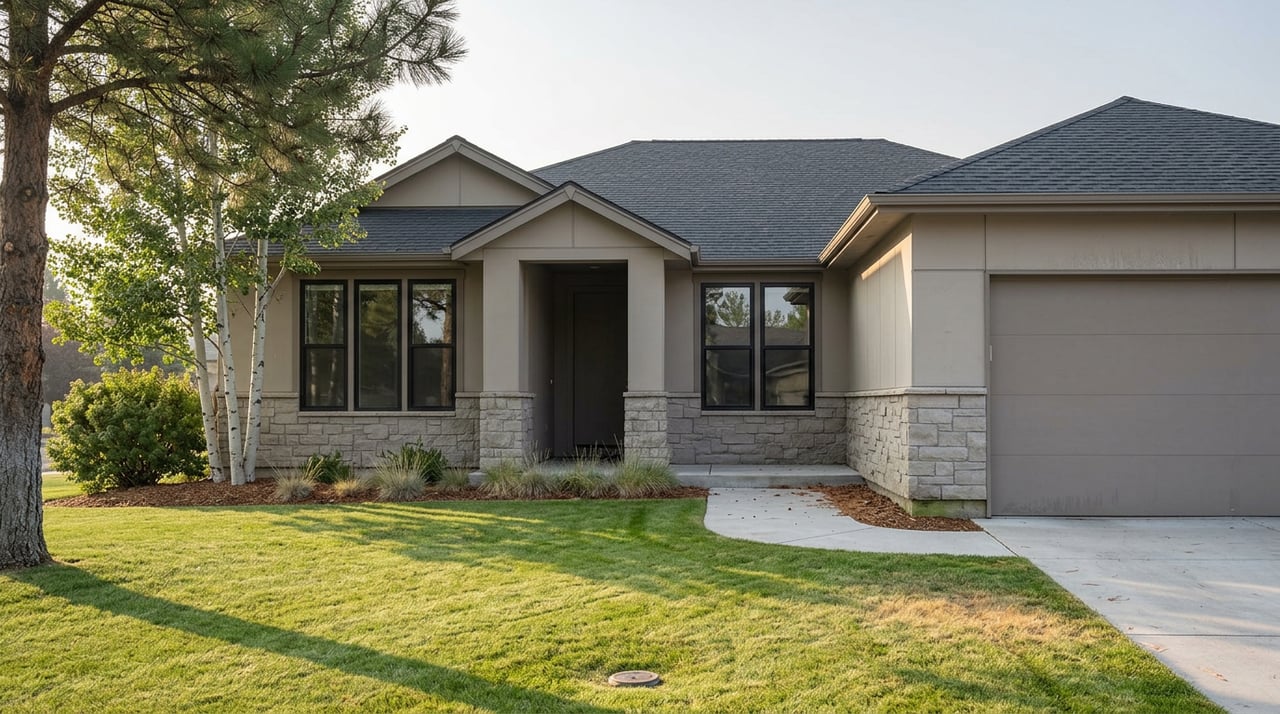
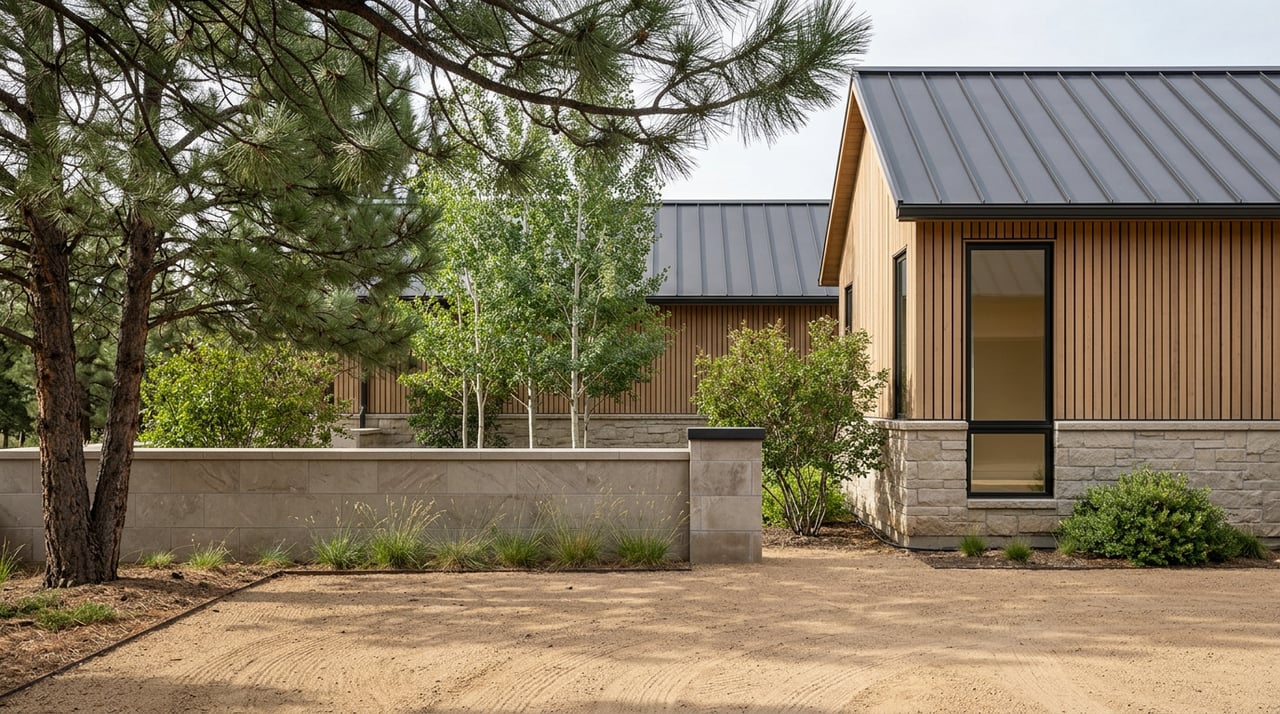
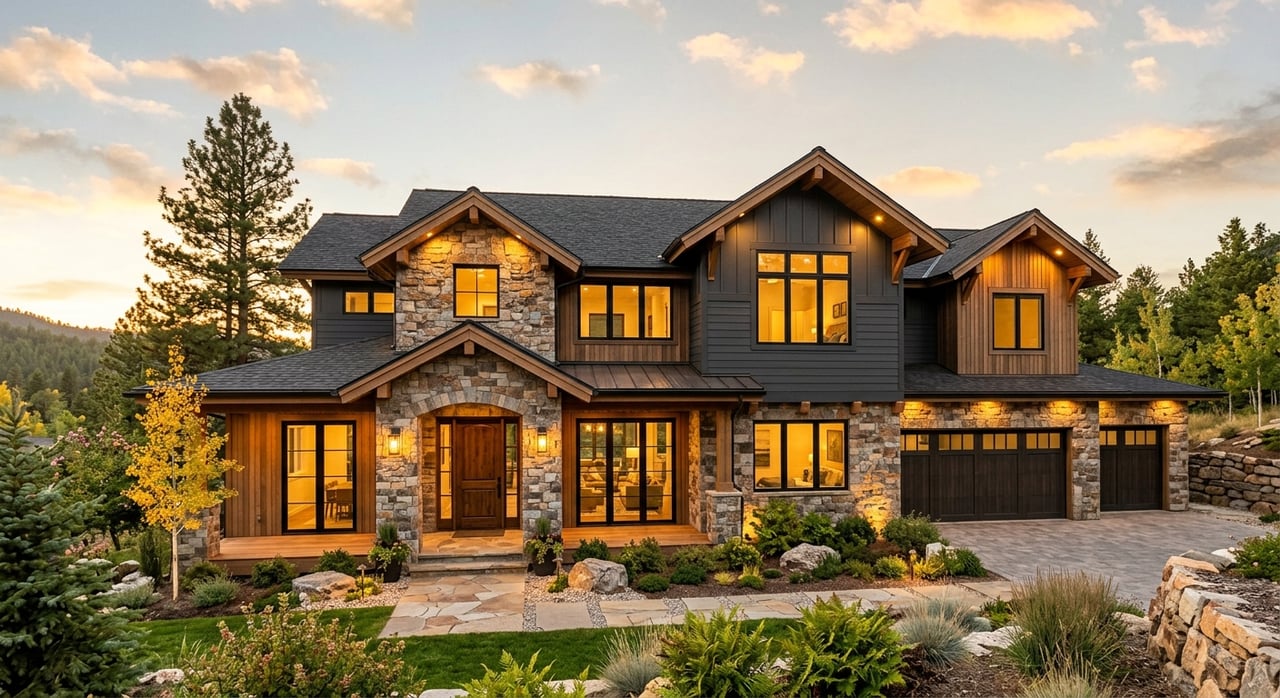
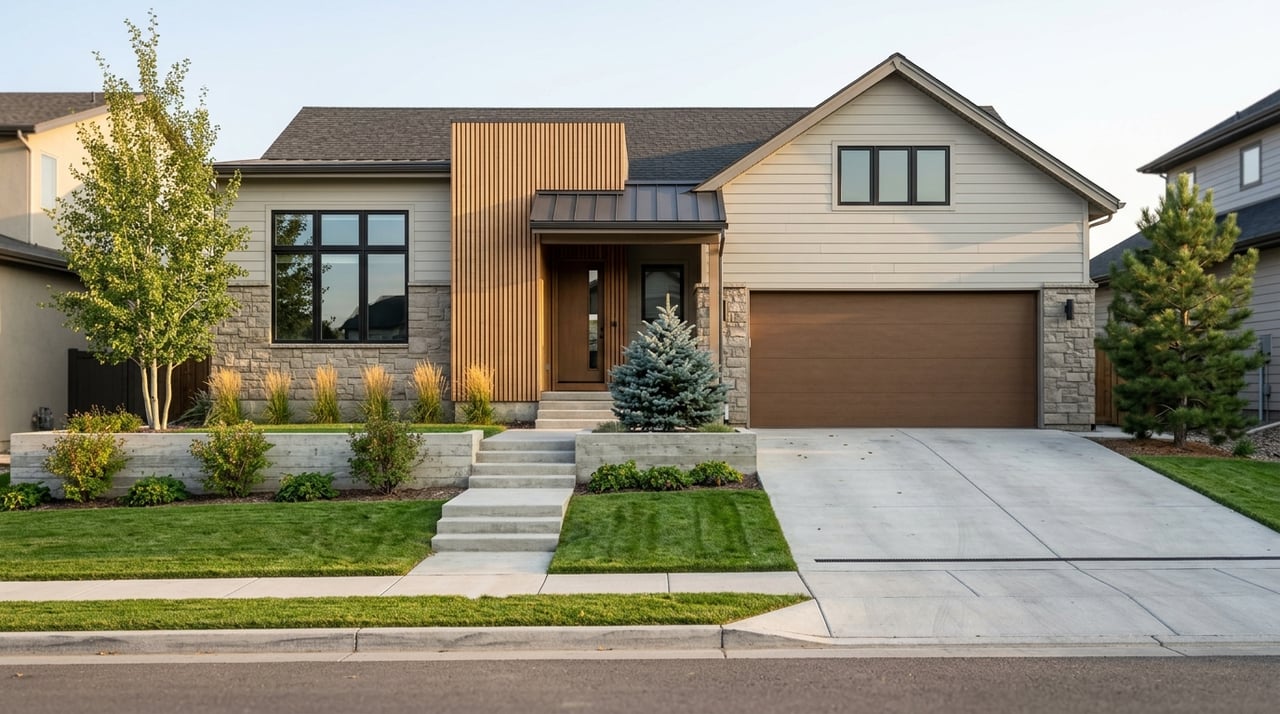
The most successful renovations in Castle Pines Village usually feel connected to the land rather than imposed on it. Local development guidance encourages regional contemporary or traditional architecture that stays low-profile, uses wood and compatible materials, and avoids a monotonous or overly massive appearance.
That design direction is useful whether you are reworking a front elevation, adding outdoor living space, or refreshing exterior finishes. In practical terms, restrained forms and natural materials are more aligned with the community than showy or overly bright design choices.
Energy-conserving design, construction, and siting are also encouraged. If you are opening walls or rebuilding major exterior elements, it makes sense to weigh energy performance along with aesthetics.
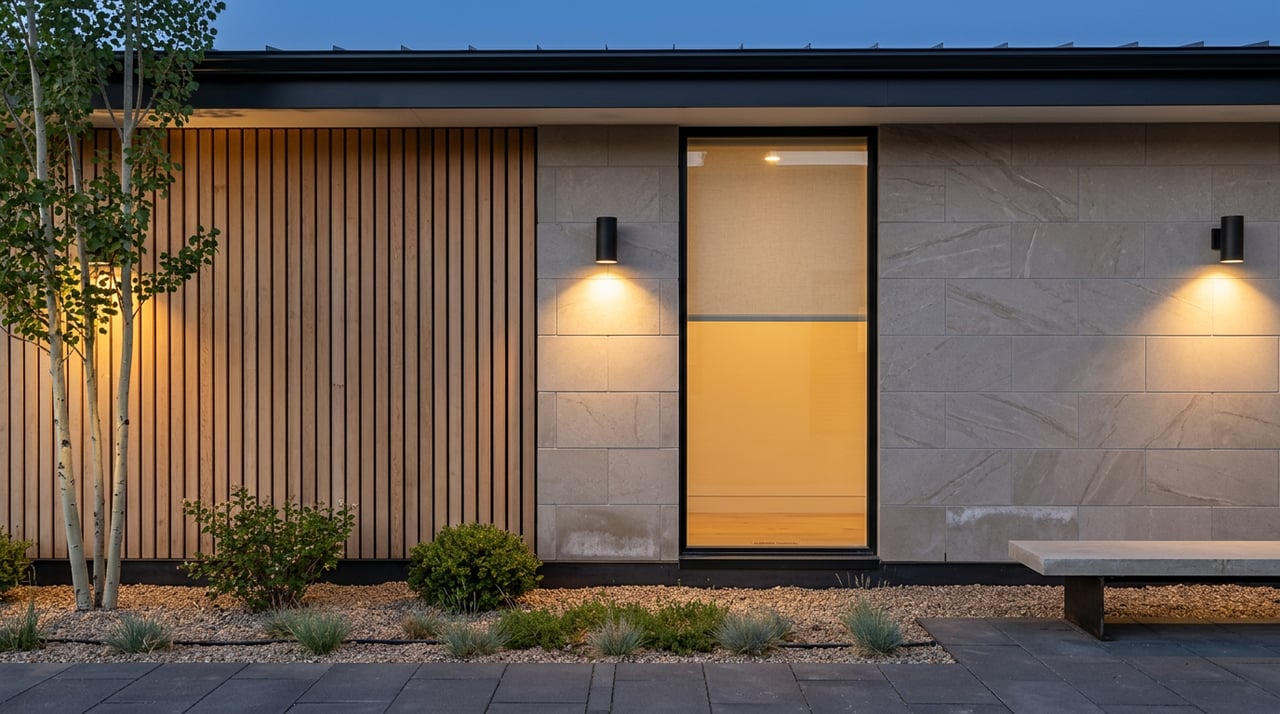
Outdoor lighting can elevate a luxury property, but in this community it needs to be handled with care. The Village’s lighting guidelines emphasize protecting neighboring properties from bright light sources, avoiding flood lighting, and using downward, subtle illumination.
Tree uplights, colored lights, and exposed light sources are discouraged. That makes lighting design less about spectacle and more about soft wayfinding, entry emphasis, and controlled ambiance.
For homeowners, this is an important mindset shift. A lighting plan that feels elegant in a showroom may not fit the Village if it reads too bright, too exposed, or too visually intrusive on site.
A smart renovation plan here should include wildfire and vegetation management from the start. Douglas County recommends low-flammability plants, cleaning gutters and roof valleys, spacing trees and shrubs, pruning branches, screening openings, keeping flammable material away from the home, and avoiding mulch directly next to the house.
These are not side issues. They can influence landscape design, exterior material decisions, vent details, roofline maintenance, and how outdoor entertaining spaces are arranged.
Douglas County also states that property owners are responsible for vegetation management. The county offers a free wildfire hazard assessment and operates a 50 percent cost-share mitigation program, with a second application period opening in July 2026.
Not every high-end upgrade pays off the same way. The right renovation depends on whether your priority is near-term resale, long-term enjoyment, or a balance of both.
According to the 2025 Remodeling Impact Report, homeowners place high value on improved functionality, livability, durable materials, and beauty. Strong homeowner satisfaction scores went to a primary bedroom suite, a kitchen upgrade, and new roofing.
The same report found that real estate professionals most often recommend painting the entire home, painting one room, and replacing the roof before a sale. Recent demand growth was strongest for kitchen upgrades, new roofing, and bathroom renovation.
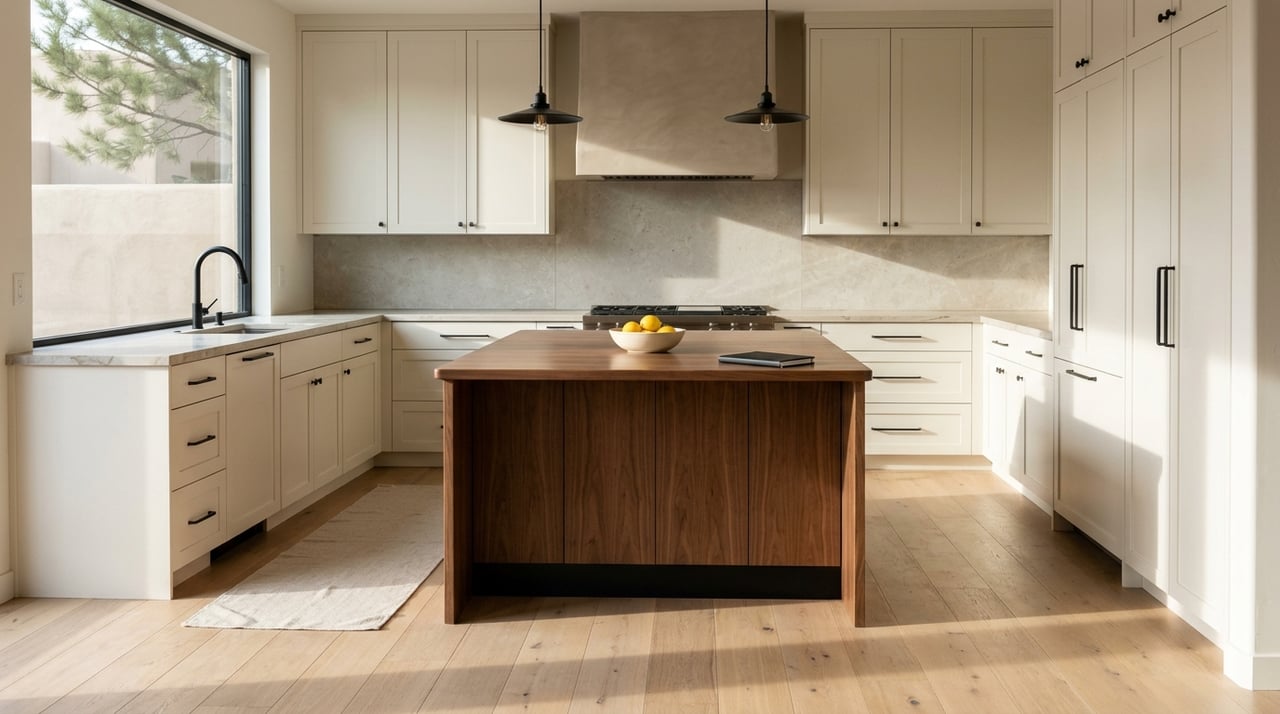
If you may sell in the near future, focus on updates that feel polished, broadly appealing, and relatively low-regret. In many cases, that means starting with:
These projects can improve presentation and day-to-day function without overcommitting to highly personalized design choices. They also fit well with the Village’s emphasis on appearance, site quality, and well-kept surroundings.
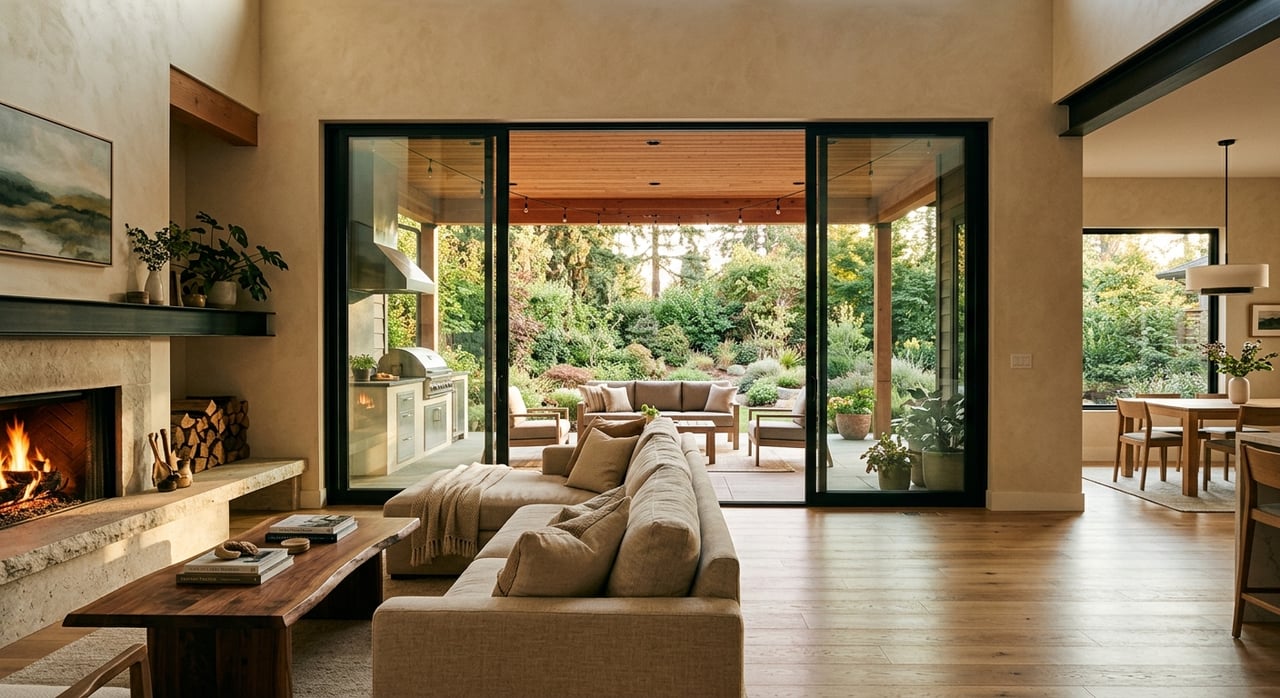
Outdoor improvements deserve special attention in Castle Pines Village. The community highlights privacy, trails, open space, golf, and mountain or forested views, so exterior presentation and outdoor living can play an outsized role in how a home feels.
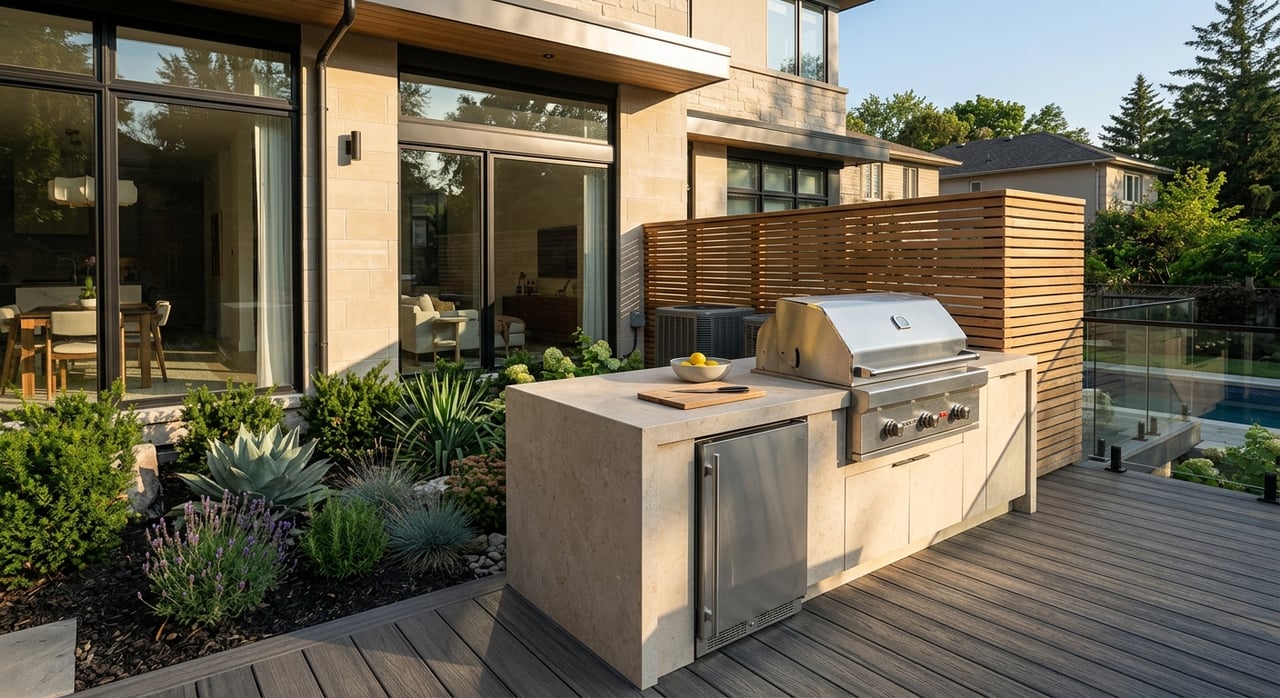
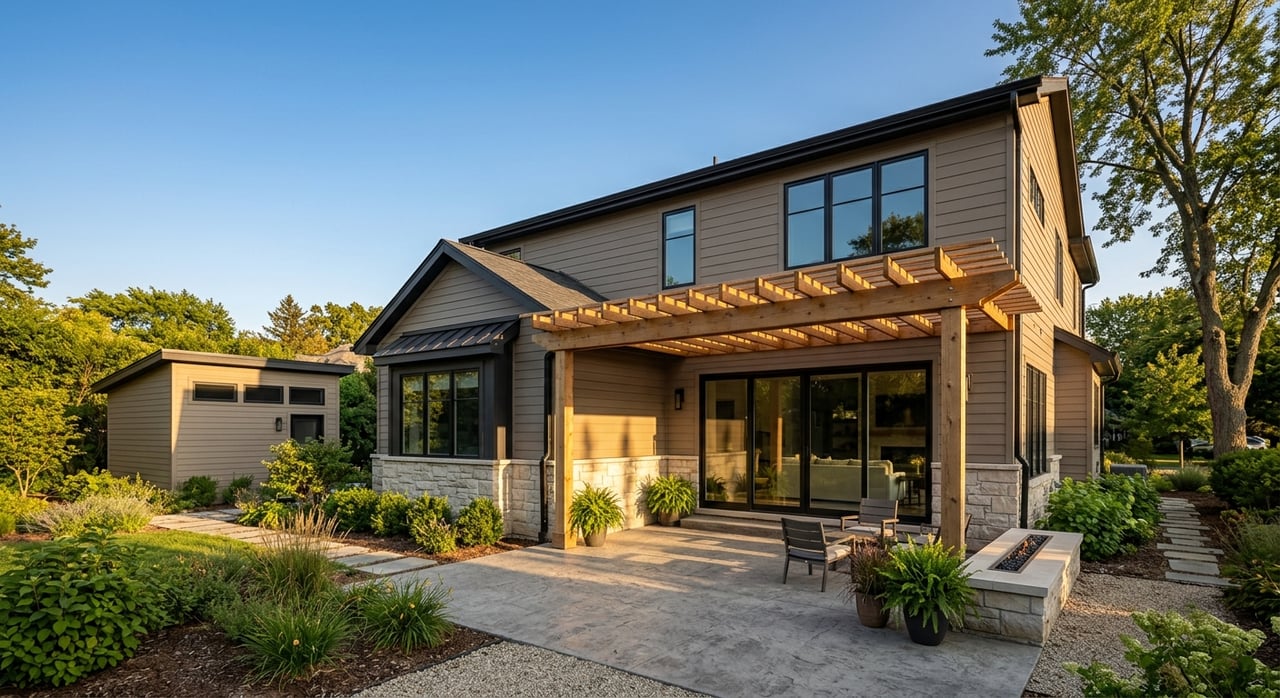
National outdoor remodeling data also supports that focus. The 2023 outdoor-features report found that curb appeal matters strongly to buyers, and commonly cited projects with solid cost recovery include landscape maintenance, outdoor kitchen, overall landscape upgrades, new patio, new wood deck, tree care, irrigation installation, and landscape lighting.
That said, luxury homeowners should separate personal enjoyment from likely recovery. A pool or fire feature may deliver strong lifestyle value while offering a less predictable return than more foundational exterior improvements.
A useful way to think about renovation choices is to sort them by how long you expect to stay.
Prioritize updates that improve condition, function, and first impressions without narrowing your future buyer pool. Paint, landscape upkeep, deck or patio refreshes, and a smart kitchen or bath update are often easier to justify than highly customized one-off features.
A custom primary suite or a fully built-out outdoor entertaining zone may make excellent sense for your lifestyle. Just keep the design aligned with the Village’s low-profile architecture, natural material palette, subtle lighting approach, and wildfire-aware site planning.
Luxury renovation decisions are rarely just about style. In Castle Pines Village, they involve approval sequencing, site constraints, material choices, wildfire awareness, contractor coordination, and the question of how improvements may be viewed in the market later.
That is where construction-informed real estate guidance can be especially valuable. When you understand both the build side and the resale side, it becomes easier to choose upgrades that fit the home, the community, and your financial goals.
If you are weighing a renovation before listing, or trying to decide which upgrades are worth doing for your own use, Charles Ward can help you evaluate the scope through both a construction and market lens.
Stay up to date on the latest real estate trends.
Contact Charles today to learn more about his unique approach to real estate, and how he can help you get the results you deserve.
5600 S QUEBEC ST STE 150D GREENWOOD VILLAGE CO 80111