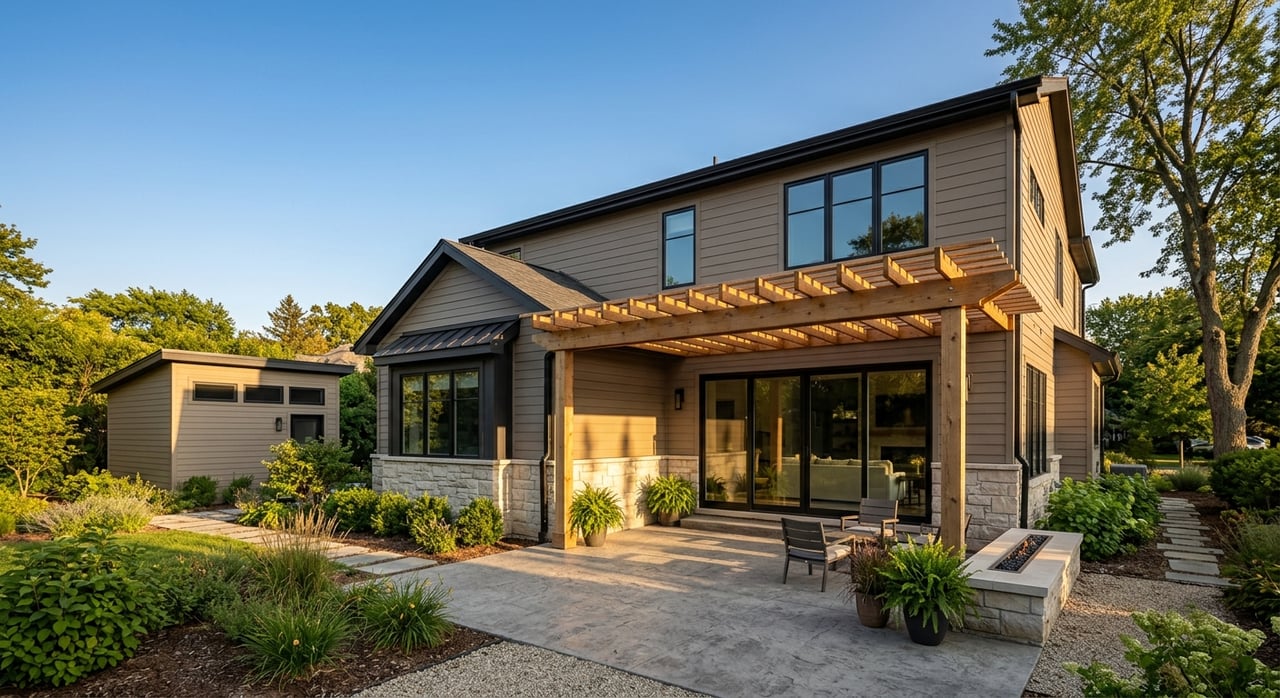
Castle Rock Custom Design Guidelines Before You Build
June 25, 2026
June 25, 2026
Building in Castle Rock can feel straightforward at first, until you realize your plans may need to satisfy Town code, zoning, landscape rules, and HOA design standards at the same time. If you are buying a lot, planning a custom home, or thinking about major exterior improvements, a little early homework can save you from expensive redesigns and delays. This guide walks you through the design guidelines that matter most in Castle Rock so you can plan with more confidence. Let’s dive in.
Before you finalize elevations, order materials, or submit for permits, you need to understand which rules apply to your property. Castle Rock uses long-range planning and development review to guide growth, design quality, and water conservation, and most development projects move through multiple layers of review before permits are issued.
That review stack can include annexation, zoning or planned development review, and site development plan review. If your parcel is still in unincorporated Douglas County, annexation is required before Castle Rock’s rules apply. That alone can change your timeline, so it is worth confirming early.
One of the biggest mistakes buyers and small builders make is assuming there is one standard set of residential rules across Castle Rock. There is not. The Town uses base residential districts, planned development zoning, and overlay districts, and each one can shape what you can build and how it needs to look on the site.
For example, some overlay districts add visual mitigation requirements. In the Skyline/Ridgeline Protection district, those added measures are intended to reduce visual impact and may include tree requirements in some areas. If your lot falls within an overlay, your design may need to respond to more than just basic setback and height rules.
For many single-family properties, lot layout standards are the first technical checkpoint. In the R-1 district, detached homes are the primary use on minimum 9,000-square-foot lots, with 25-foot front and rear yard setbacks for principal buildings.
Height also matters. In R-1, principal buildings are capped at 35 feet, while accessory buildings are capped at 20 feet. Accessory buildings may sit as close as 2 feet to the side lot line when they are located in the rear one-third of the lot, but that does not mean every lot or neighborhood will treat them the same way.
Recorded zoning matters because R-2 has different standards. If you are comparing lots or evaluating a homesite for a custom project, confirming the actual district before sketching plans is one of the simplest ways to avoid rework.
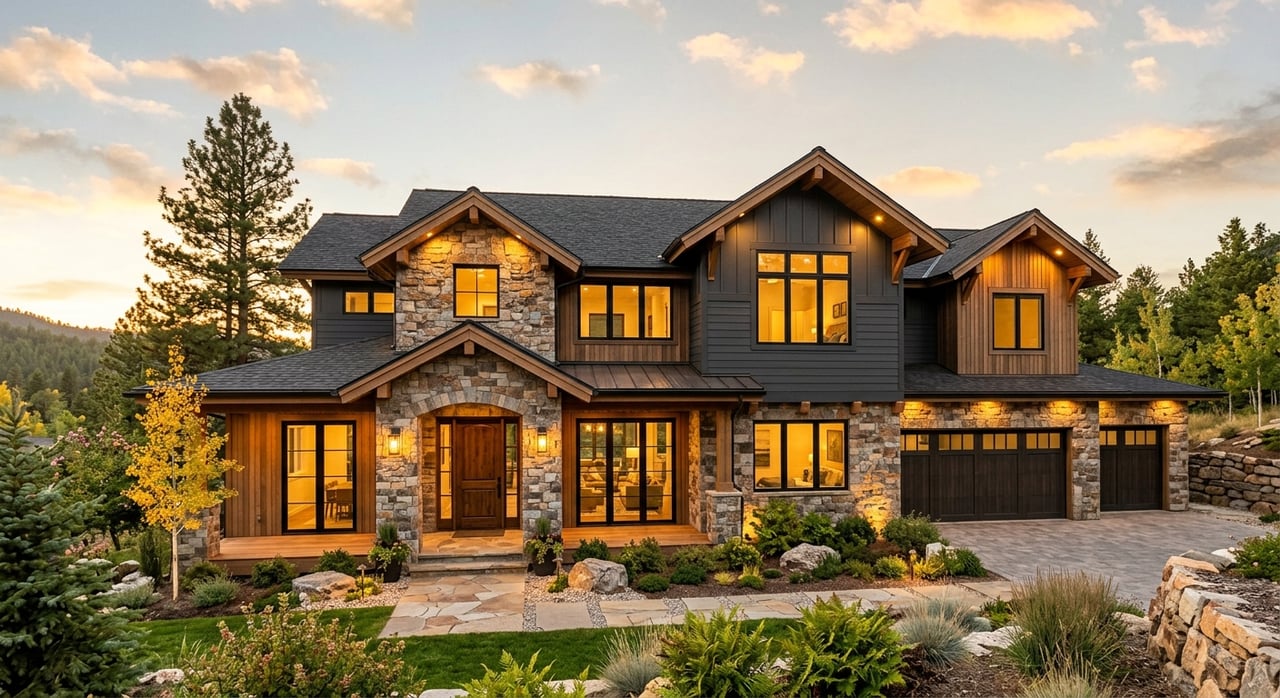
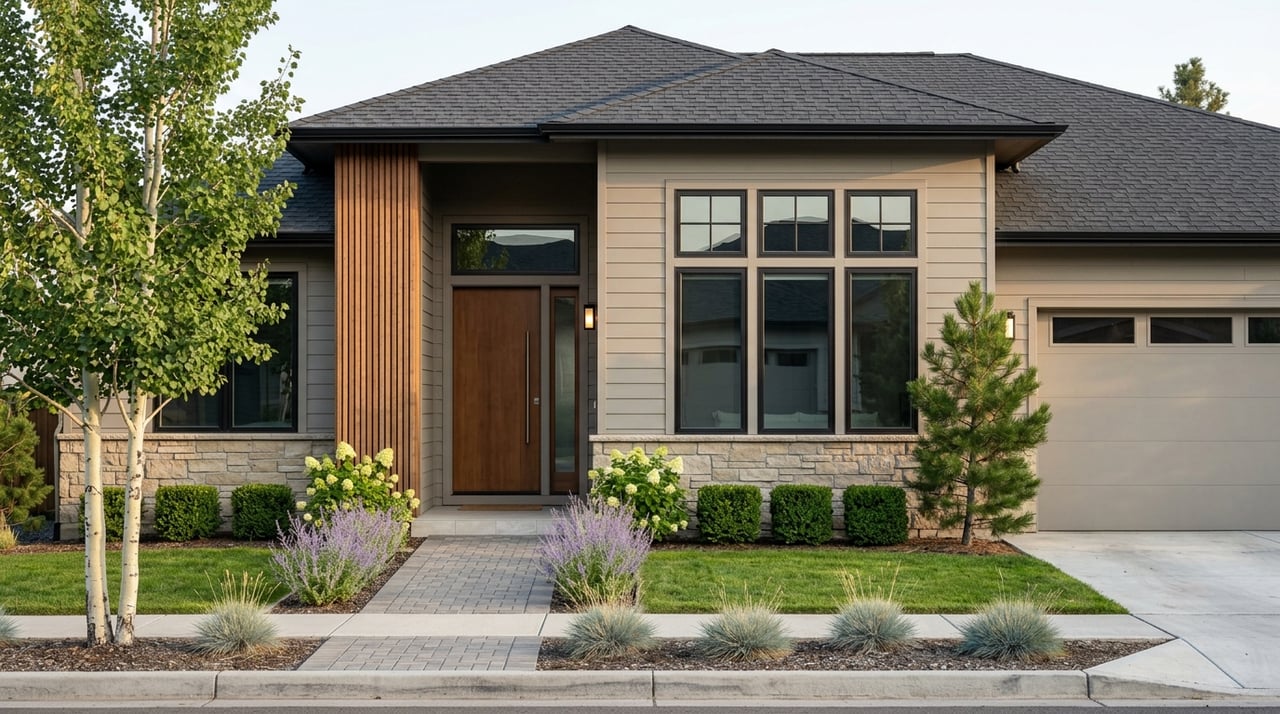
In Castle Rock, approvals are not just about whether a house fits inside property lines. The Town’s design guidance emphasizes respect for topography, preservation of plant material and native character, compatibility of secondary structures, and reducing the visual dominance of garage fronts.
That means plans often slow down when the design looks forced onto the lot instead of shaped by it. A home that works with slope, drainage, screening, and the natural setting is usually easier to move through review than one that ignores those conditions.
From a resale and long-term value perspective, that is usually a good thing. Homes that feel intentional on the site tend to present better and age better in the market.
Landscape planning is no longer something to handle at the end. In Castle Rock, ColoradoScape requirements apply to new home construction permitted and built after January 1, 2023.
That rule means no turf in the front yard and no more than 500 square feet of turf in the back yard. The builder’s landscape plan is reviewed and approved by the Town and sets the water budget, which makes the landscape package part of the approval process, not just a decorative choice.
If you plan to install the backyard landscape yourself, Castle Rock encourages homeowners to request the builder’s preapproved plans. In some communities, if you want to use something different, you may need additional review before moving forward.
Even when a design meets Town requirements, the HOA may still require changes. In common-interest communities, design guidelines, rules, and recorded documents can add another layer of control over materials, colors, fencing, structures, and landscape details.
Colorado law protects xeriscape and other drought-tolerant landscapes, but HOAs can still apply reasonable design or aesthetic rules related to the type, number, and placement of plantings and hardscapes. In practical terms, that means water-wise landscaping is protected, but the final design still needs to fit community standards.
Castle Rock also notes that HOAs must provide at least three preapproved front-yard landscape designs. Castle Rock Water offers ColoradoScape design guidance that HOAs, developers, and homeowners can use, which can be helpful if you are trying to balance compliance with a more custom look.
Some neighborhoods in Castle Rock have design review requirements that go far beyond broad Town standards. Castlewood Ranch is a useful example because its guidelines show how detailed the HOA layer can become.
There, sheds and greenhouses require design review approval, a scaled site plan, and signed acknowledgments from abutting neighbors. Most accessory structures are limited in size, must generally match the home’s style and color, use limited materials, match roof color, be screened from view, and maintain setbacks from property lines.
The same guidelines also regulate decks, pergolas, lighting, play structures, detached garages, solar devices, and many other exterior changes. In some Castlewood Ranch neighborhoods, exterior finish requirements can also vary, including areas where stucco is required.
The takeaway is simple: do not assume one approval in one part of a community applies somewhere else nearby. Material palettes and design standards can shift from one filing, street, or neighborhood section to the next.
In Castle Rock, the highest-friction items are often the ones owners treat as minor upgrades. Accessory buildings, detached garages, fences, decks and patios, pergolas, lighting, and landscape plans are common areas where projects get delayed.
For fences, the Town allows up to 48 inches in the front yard and up to 72 inches elsewhere without a permit. Barbed wire and above-ground electrified fences are not allowed on residential lots.
Decks and patios also require more documentation than many people expect. Covered decks and patios typically need a site plan and dimensioned drawings showing elevations, heights, roof pitch, roof assembly, fastening details, footing locations, electrical plan, and roof truss calculations when required. Even uncovered decks require a detailed site plan and structural drawings.
These are exactly the kinds of improvements that benefit from planning before purchase if you are evaluating an existing lot or home for future customization.
If you are considering an accessory dwelling unit, design compatibility is a key requirement in Castle Rock. The ADU must preserve the architectural character of the primary home and match or be consistent with the existing facade, roof pitch, siding, eaves, window treatment, and color.
The underlying zoning district rules still apply, and the Town does not independently verify HOA compliance. So even if an ADU appears to fit municipal standards, you still need to confirm the community’s recorded documents and design review process.
For buyers looking at multigenerational living or flexible guest space, this is an important checkpoint before you count on the option.
If you want to reduce surprises, the best workflow is to design for approval from day one. In Castle Rock, that usually means verifying the following before finalizing plans:
Town approval and HOA approval are separate processes. One does not replace the other, so it is smart to track them side by side instead of assuming the second step will be easy.
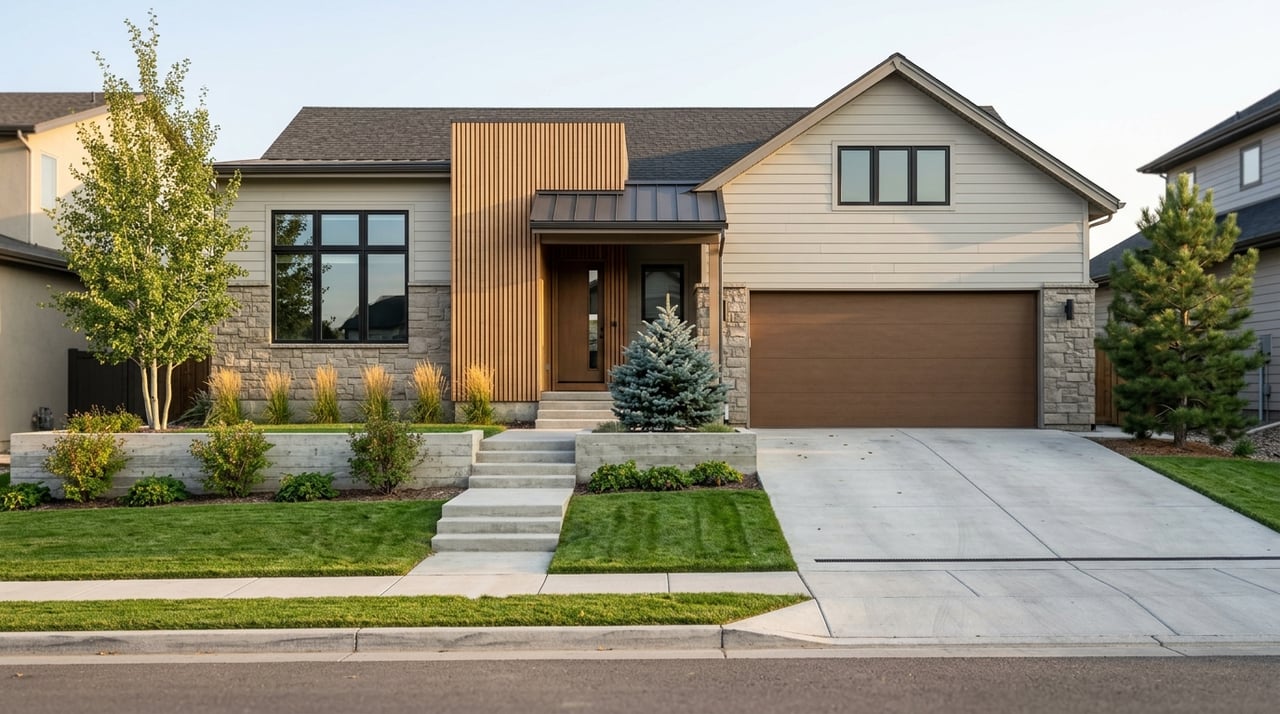
From both a design-review and marketability standpoint, the strongest choices in Castle Rock are often the most disciplined ones. Restrained exterior color palettes, consistent roof forms, screened equipment, visually subordinate secondary structures, and garage placement that feels less dominant tend to align better with local guidance.
Outdoor spaces also perform better when they fit the lot instead of forcing the lot to fit the concept. That approach usually leads to fewer revisions, a cleaner finished product, and a home that feels more cohesive when it eventually comes to market.
If you are evaluating a lot, planning a custom build, or weighing a purchase based on future improvement potential, construction-aware guidance can make the process much smoother. For tailored advice on Castle Rock lots, custom homes, and high-value suburban property decisions, connect with Charles Ward.
Stay up to date on the latest real estate trends.
Contact Charles today to learn more about his unique approach to real estate, and how he can help you get the results you deserve.
5600 S QUEBEC ST STE 150D GREENWOOD VILLAGE CO 80111