Annual Maintenance Planning For Highlands Ranch Luxury Homes
July 23, 2026
July 23, 2026
You can own a beautifully built luxury home in Highlands Ranch and still lose time, comfort, and resale momentum to small maintenance misses. At this elevation, with dry air, strong sun, seasonal swings, hail risk, and wildfire concerns, routine upkeep is not just about appearances. It is part of protecting how your home lives today and how it shows tomorrow. If you want a practical annual plan that fits the realities of Highlands Ranch, this guide will walk you through it. Let’s dive in.
Highlands Ranch sits at 5,776 feet and averages 18.18 inches of annual precipitation, which creates a very specific maintenance environment. The local climate is cool, dry, and sunny, with wide seasonal swings that put added stress on roofs, gutters, hardscape, trees, and irrigation systems.
That matters even more for luxury homes. Larger rooflines, expansive decks, mature landscaping, outdoor kitchens, and more complex comfort systems give you more to protect and more to coordinate. A thoughtful maintenance calendar helps you stay ahead of wear instead of reacting after damage becomes visible.
Wildfire planning also belongs in the conversation. Douglas County identifies wildfire as its top natural hazard threat, and the Colorado State Forest Service recommends treating the home ignition zone as an ongoing maintenance project that starts at the structure and moves outward.
Spring is the reset season for Highlands Ranch homes. Winter can leave behind subtle roof wear, drainage issues, irrigation problems, and tree stress that are easy to miss until summer heat or storms make them worse.
Start with the exterior envelope. Check the roof, gutters, soffits, exterior trim, and skylights for signs of winter wear or hail impact.
This is especially important in Colorado, where hail can cause major losses and repeated storm exposure is part of owning along the Front Range. A spring inspection gives you time to address issues before summer storms add more damage.
Spring is the right time to schedule your AC service. ENERGY STAR recommends annual pre-season maintenance for cooling systems in spring, along with monthly filter changes to reduce wear and avoid unnecessary energy costs.
In a larger home, HVAC systems often run longer and serve more square footage. That makes routine service more than a comfort item. It is part of preserving equipment life and keeping the home running smoothly.
Turn on your irrigation system early and test every zone. Look for broken heads, leaks, poor coverage, overspray onto pavement, and controller settings that no longer fit current conditions.
Colorado State University Extension notes that seasonal controller adjustments can improve both water savings and plant health. On larger lots, a tune-up can make a visible difference in lawn consistency, planting bed health, and long-term water efficiency.
As temperatures rise, refresh mulch in planting beds and around trees where appropriate. Highlands Ranch guidance notes that mulch helps conserve soil moisture, while deep, slow watering in the root zone supports tree health.
This is a smart time to assess trees that may have come through winter dry. Healthy, established trees do a lot for curb appeal and overall landscape structure, so spring attention pays off later in the season.
Summer is when the exterior of your home works the hardest. Heat, sun exposure, storm activity, and heavier outdoor use all put pressure on your systems and surfaces.
The biggest summer mistake is setting irrigation once and forgetting it. CSU recommends adjusting run times to seasonal plant needs, using cycle-and-soak methods where runoff is a problem, and repairing broken heads right away.
Denver Water also recommends checking for heads watering pavement, maintaining proper controller settings, and avoiding midday watering. For luxury properties with larger lawns and layered landscaping, these small adjustments help the entire property look intentional rather than uneven.
If your property includes turf, mowing height matters. Denver Water notes CSU recommends keeping grass at about 2.5 to 3 inches to improve resistance to heat, drought, and insects.
That simple change can help large lawn areas hold color and texture through hot stretches. Clean edges, consistent mowing, and tidy transitions between lawn and hardscape also support stronger resale presentation.
Highlands Ranch recommends watering trees three to four times per month in spring and summer, depending on weather and restrictions. CSU adds that established trees should be watered during dry periods, with south- and west-facing exposures often needing more attention.
On a high-value property, mature trees are not background elements. They shape privacy, frame views, soften architecture, and contribute to value, so tree care deserves its own line item in your maintenance plan.
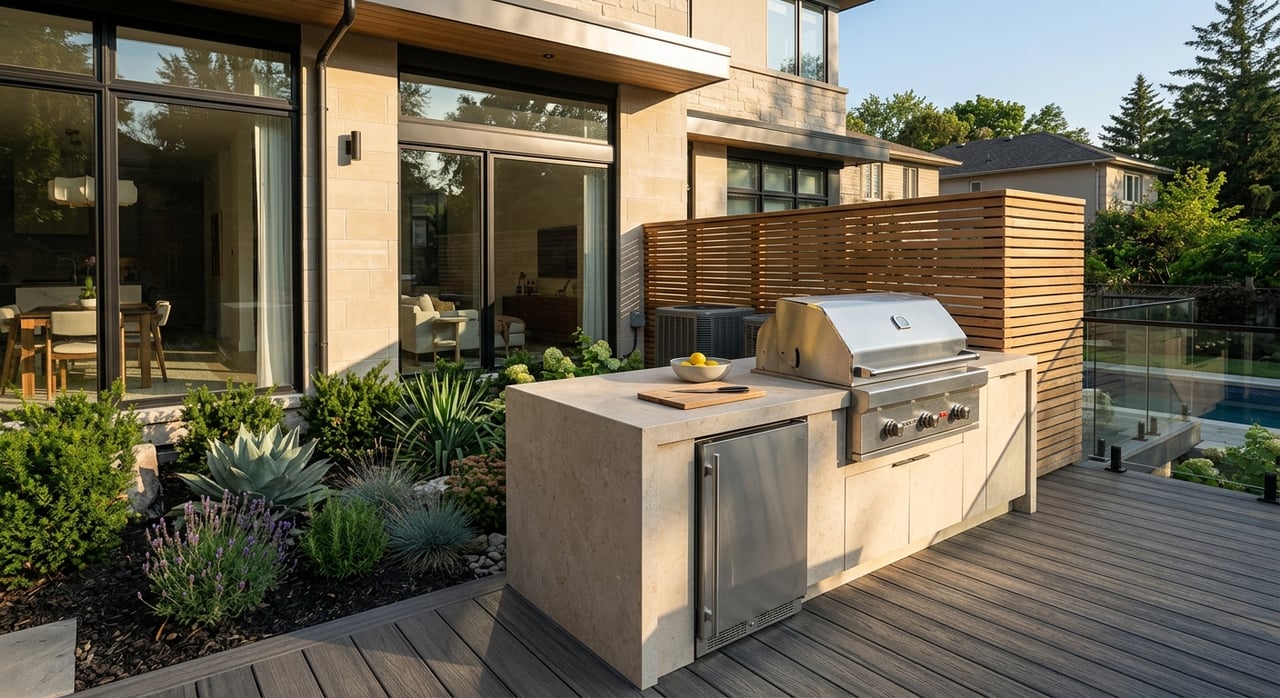
Summer is the right season to keep a close eye on decks, pergolas, patios, outdoor kitchens, and railings. Remove leaves, needles, grease, and other debris, and check for loose fasteners or weather wear.
The Colorado State Forest Service specifically identifies decks and nearby fuels as part of the home ignition zone. That means routine cleaning is not just cosmetic. It is part of protecting the property.
Do not wait until fall if a strong storm rolls through. Reinspect roof coverings, gutters, skylights, and trim after hail or significant weather events.
In Highlands Ranch, repeated storm exposure can turn a small issue into a larger repair. A quick post-storm review helps you catch problems before they affect interior finishes or future marketability.
Fall is your transition season. The goal is to prepare the home for cold weather, protect exterior systems from freezing conditions, and reduce debris before snow arrives.
Fall is the time to service your heating system. ENERGY STAR recommends pre-season heating maintenance before the first sustained cold snap.
That service typically includes checks of controls, condensate drains, burner combustion, heat exchangers, and gas connections. In a larger home, staying ahead of heating performance helps avoid disruption when temperatures drop.
Before freezing weather arrives, winterize your sprinkler system. CSU Extension says the positive way to confirm enough water has been removed is to blow the system out with compressed air.
That matters because freezing water can break pipes, valves, sprinklers, and pumps. For homes with larger irrigation layouts or multiple zones, skipping this step can create expensive spring repairs.
Fall watering is still important in Colorado. CSU notes that fall and winter watering helps prevent root damage, and Highlands Ranch recommends one to two winter waterings per month when conditions allow.
If the season stays dry, continue to monitor moisture needs instead of assuming cooler temperatures solve the issue. Landscape health often depends on what you do before winter, not just during it.
Remove leaves and needles from roofs, decks, and gutters before snow season begins. This improves drainage performance and supports wildfire resilience at the same time.
For homes with complex rooflines, upper terraces, or extensive tree cover, this step is easy to postpone. It is also one of the simplest ways to reduce avoidable wear.
Winter maintenance in Highlands Ranch is less about heavy precipitation and more about dryness, freeze-thaw stress, and temperature swings. A few targeted tasks can prevent damage from building quietly through the season.
In Colorado, winter watering still matters. CSU recommends watering on warm, dry days only when air and soil temperatures are above 40 degrees and the ground is not frozen.
This is especially helpful during prolonged dry periods and for newer or shallow-rooted plantings. Trees and shrubs can enter spring in much better condition when winter moisture is not ignored.
Keep an eye on roofs, gutters, exposed hardscape, and landscape edges during winter. Colorado’s climate brings large temperature swings that can be hard on materials and plant roots.
Snow and ice do not have to be constant to create problems. Repeated thawing and refreezing can stress surfaces and joints over time, especially where drainage is not working well.
Winter is a smart time to review what was repaired, serviced, or deferred during the year. It is also a good time to line up spring vendors before schedules fill.
That early planning helps with sequencing. If you need roof work, HVAC service, irrigation tuning, tree care, or landscape updates, getting on calendars early reduces delays and keeps projects from stacking up.
Not every system in a luxury home carries the same maintenance weight. In Highlands Ranch, a few areas deserve more proactive oversight because they affect safety, comfort, and first impressions at the same time.
Roofs and gutters should be maintained proactively, not reactively. The Colorado State Forest Service recommends measures such as debris removal from roofs and gutters, screened vents, and noncombustible clearances near the structure.
These recommendations are especially relevant where hail exposure and wildfire exposure overlap. Clean lines and sound materials also support the kind of exterior presentation buyers notice immediately.
Larger homes often have more volume to heat and cool, which makes preventive HVAC service more valuable. ENERGY STAR recommends annual service, monthly filter checks, coil cleaning, condensate-drain inspection, and control checks.
Dirty filters and neglected components can raise operating costs and shorten equipment life. For a well-finished home, comfort should feel effortless, and that usually starts with maintenance.
A bigger lot often means a more complex irrigation setup. CSU notes that tune-ups, repairs, and seasonal controller changes can improve efficiency, while Denver Water notes that qualified landscape and irrigation professionals can help with audits, design, and installation.
In practical terms, that means your landscape should be managed, not just watered. Proper coverage, fewer leaks, and smarter scheduling help the property stay polished through the season.
Outdoor living is a major part of how many Highlands Ranch luxury homes are enjoyed and marketed. Decks, patios, outdoor kitchens, and gathering areas need regular cleaning and inspection to stay safe, attractive, and ready for use.
Because these areas sit within the home ignition zone, staying ahead of debris and combustible buildup has protective value beyond appearance. It is one of those rare maintenance tasks that helps both daily enjoyment and long-term stewardship.
A consistent maintenance plan is not just about avoiding repair bills. It also supports how your home competes when it is time to sell.
The National Association of REALTORS® reports that curb appeal remains important in attracting buyers, and CSU Extension summarizes research showing that high-quality landscaping can increase property values by as much as 10 percent and overall curb appeal by as much as 17 percent. CSU also notes that large street trees can add 3 to 15 percent in value.
For Highlands Ranch homeowners, that supports a simple idea: healthy trees, tuned irrigation, tidy turf, clean hardscape lines, and well-kept exterior systems all strengthen presentation. Buyers notice when a home feels carefully owned.
The best annual maintenance strategy is not a long wish list. It is a repeatable schedule with clear seasonal checkpoints and the right people lined up in advance.
For high-value homes, that often means coordinating roof, HVAC, irrigation, tree-care, landscape, and wildfire-mitigation work before issues become obvious. That is where construction literacy and a strong local vendor network can reduce friction and help you make smarter decisions about timing, scope, and resale impact.
If you are planning updates, preparing for a future sale, or simply want a clearer strategy for protecting your Highlands Ranch property, Charles Ward can help you think through the work that matters most and how it may affect value, presentation, and next steps.
Stay up to date on the latest real estate trends.

Contact Charles today to learn more about his unique approach to real estate, and how he can help you get the results you deserve.

5600 S QUEBEC ST STE 150D GREENWOOD VILLAGE CO 80111