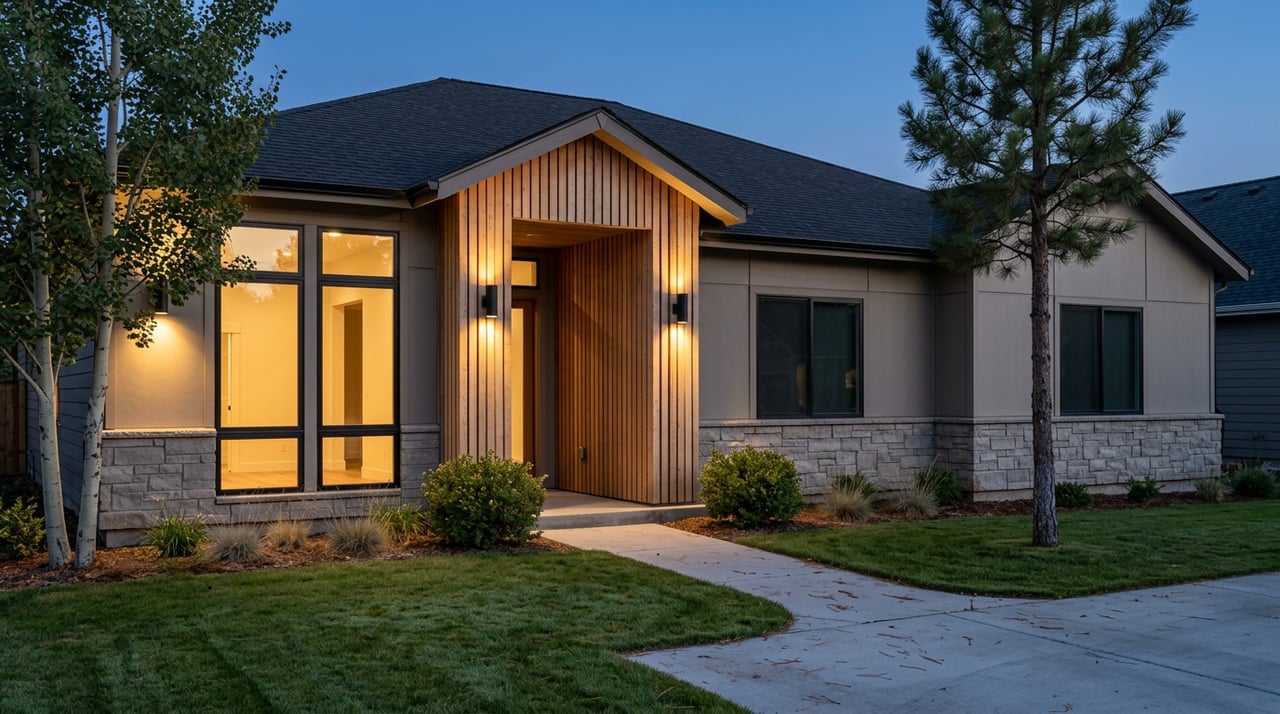
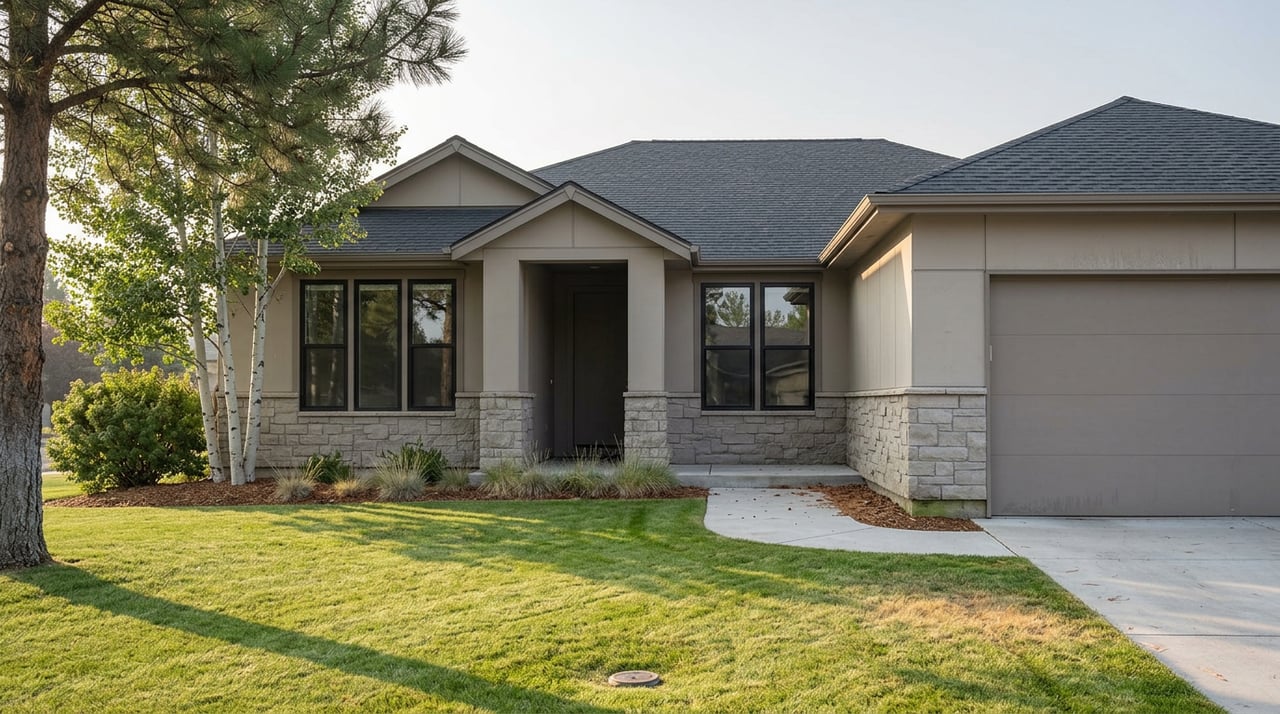
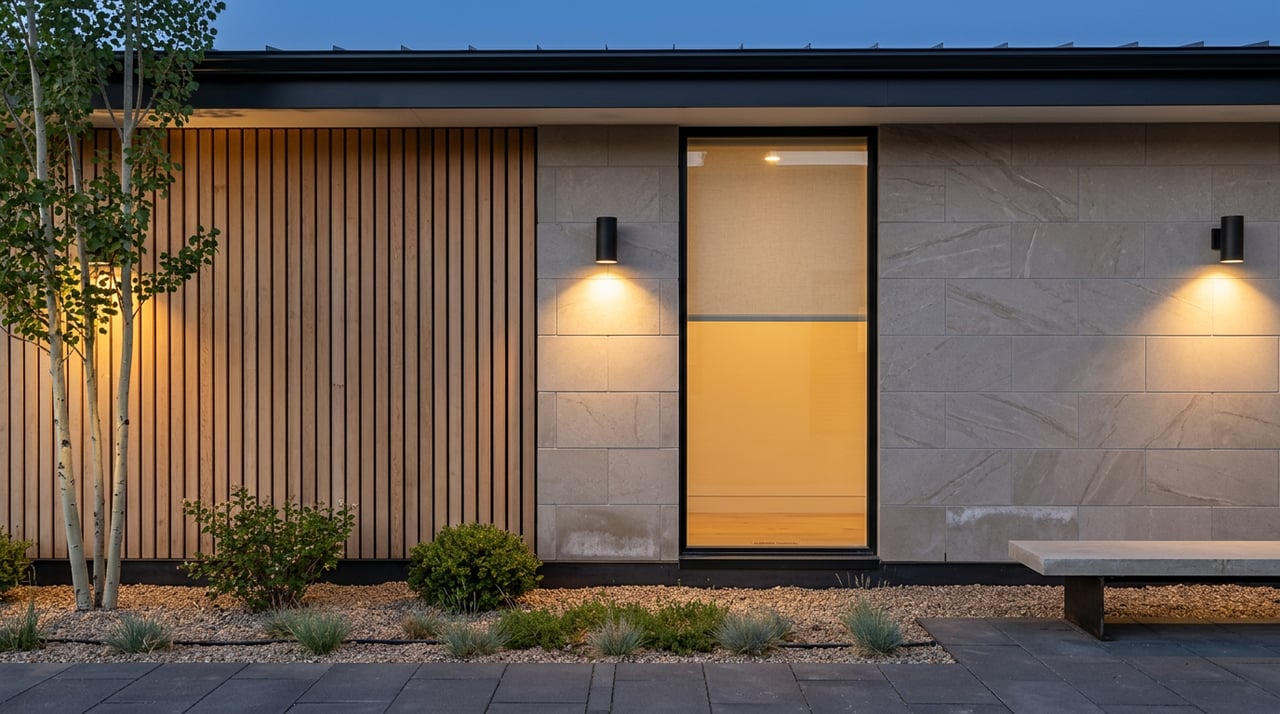
Thinking about a move to Littleton and not sure how to judge a home’s “fit and finish” from a few photos and a quick tour? You are not alone. South metro Denver offers a wide mix of historic cottages, mid-century ranches, suburban two-stories, and newer townhomes. Each era signals different materials, systems, and maintenance needs.
This guide shows you how to read year-built clues, spot finish quality fast, review HOAs with confidence, plan your commute, and use an altitude-smart checklist for showings and inspections. Let’s dive in.
Fit and finish, defined for Littleton
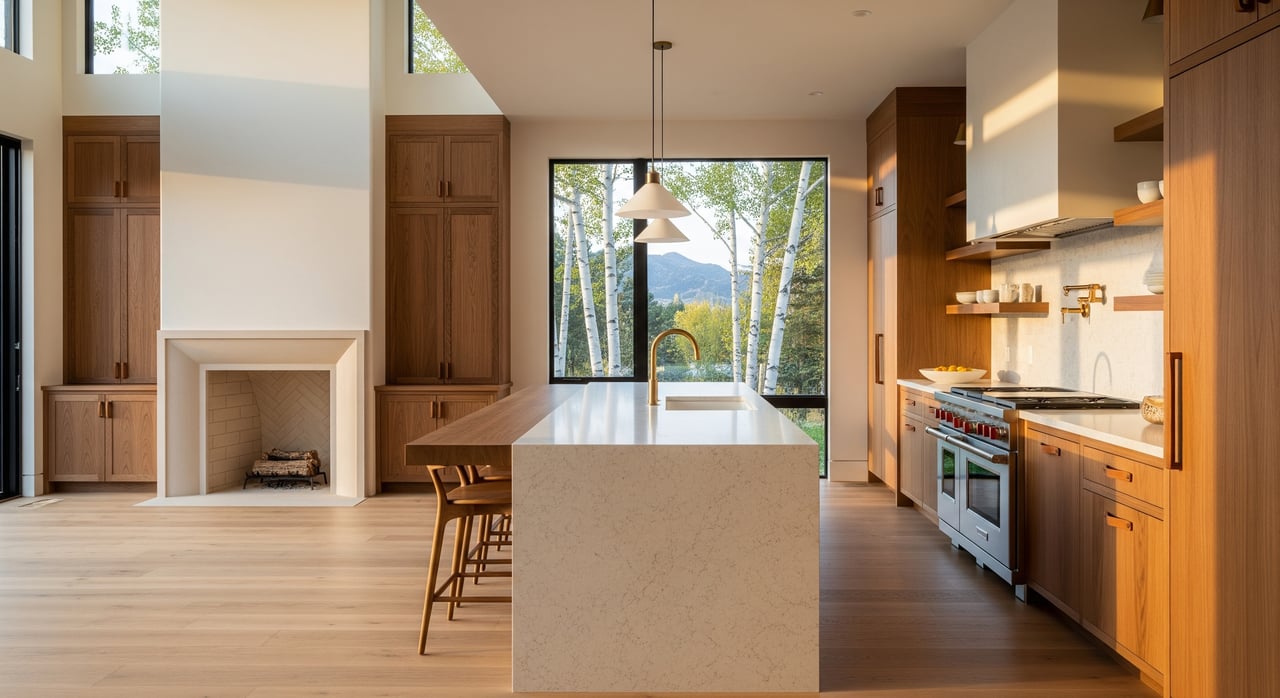
“Fit and finish” is the overall quality of materials and workmanship you see and touch. In Littleton, build era tells you a lot about the bones of a home, while details like trim joints, grout lines, and paint edges reveal how carefully the work was done.
You will use both lenses. First, identify likely systems based on year-built. Then scan for small workmanship cues that often track with broader construction quality. This two-step approach helps you separate cosmetic updates from durable value.
Littleton build eras at a glance
Pre-1940s homes
Expect cottages and bungalows near the historic core. You may see plaster walls, original wood windows, and masonry chimneys. Common issues include older wiring, limited insulation, lead-based paint, and aged plumbing.
Historic districts can include design controls. If you plan exterior changes, confirm local requirements before you commit.
1940s–1960s ranches
These postwar and mid-century homes often sit on slab foundations or shallow basements, with simple floor plans and basic HVAC. Typical upgrades include attic insulation, window replacement, and furnace improvements.
Be alert for asbestos in older finishes, single-pane windows, and original plumbing components that are near end of life.
1970s–1990s subdivisions
Expect wood-frame construction with stucco or siding, attached garages, and more varied floor plans. Mechanical systems are more modern than earlier eras, but many are aging now.
Watch roof age, dated kitchens or baths, and plumbing types. Some homes from parts of this era may have polybutylene supply lines. Roofs and HVAC units may be nearing replacement.
2000s–present infill and townhomes
Newer projects around downtown and planned communities bring open floor plans, modern codes, and HOA-managed elements. Fit and finish can be higher, but quality varies by builder and phase.
Focus on HOA coverage, builder warranties, drainage and grading, and whether permitting history supports any additions or major renovations.
How year-built guides inspections
- Older homes: prioritize electrical capacity and wiring type, insulation levels, foundation and chimney condition, and potential lead or asbestos in legacy materials.
- Mid-era homes: confirm plumbing type, roof age, HVAC sizing and ductwork, and energy-efficiency upgrades.
- Newer homes: verify warranty scope, inspect drainage, and evaluate overall finish quality to ensure the home was not rushed.
Showings: quick cues that reveal quality
Exterior signals
- Roof: missing or curled shingles, patchwork repairs, and aging surfaces suggest near-term replacement. Check flashing, vents, and gutters for overflow marks.
- Siding and stucco: hairline cracks, corner separation, and wood rot on trim or decks point to moisture intrusion or deferred maintenance.
- Foundation and grading: look for exterior cracks, stepped masonry patterns, and soil pitched toward the foundation. In freeze–thaw conditions, spalling or heaving is a concern.
- Windows and doors: single-pane windows, condensation, staining, or drafty seals indicate replacement needs. Inspect wooden sills for rot.
Interior signals
- Floors and walls: uneven floors, stair separation, or persistent squeaks can signal settlement. Long hairline cracks are common, but widening or diagonal cracks deserve a closer look.
- Ceilings and attic: water stains or evidence of past leaks point to roof or flashing issues. In cold months, check for ice-dam marks near eaves and confirm soffit venting is clear.
- Kitchens and baths: soft countertops, water damage under sinks, and worn hinges signal renovation needs and possible hidden leaks.
- Mechanical rooms: photograph labels and service tags. Note brand and age of furnace, AC, and water heater. Look for rust, corrosion, and proper unit sizing for the home.
Systems and workmanship
- Electrical: a modern 200-amp panel is common in updated homes. Older 100-amp, fused disconnects, crowded breakers, or DIY wiring merit an electrician’s review.
- Plumbing: galvanized steel or polybutylene are red flags. Copper or PEX are preferred. Test water pressure and hot-water recovery, and note water heater age.
- Insulation and air sealing: check attic insulation depth and the garage-to-house air barrier. In Littleton’s climate, poor insulation has a real impact on comfort and costs.
- Finish details: clean paint lines, square doors, tight trim joints, and consistent tile grout suggest careful workmanship and pride of build.
HOAs in Littleton: what to review
Where HOAs are common
You will see HOAs in many townhomes, condo buildings, mixed-use infill near downtown, and newer subdivisions. Older single-family areas may or may not have an HOA.
Documents and red flags
Request these items early in your contract period:
- CC&Rs, Bylaws, Rules and Regulations. Confirm rental, pet, parking, and exterior alteration rules.
- Budget and financials. Low reserves or reliance on special assessments are risk flags.
- Reserve study. This shows funding for roofs, siding, asphalt, pools, and other long-life items. Lack of a study or very low reserves is a concern.
- Meeting minutes, last 12–24 months. Look for recurring disputes, deferred maintenance, and planned projects.
- Insurance certificate. Confirm what is covered by the HOA and what you must insure.
- Pending litigation. Lawsuits can affect assessments and future saleability.
- Special assessments and capital plans. Price in upcoming costs.
Colorado law requires certain HOA disclosures and resale documents. Build time into your contract for review, and consider legal counsel if covenants are unclear.
Negotiation tips and Colorado rules
- Obtain the HOA resale pack early and include an HOA review contingency.
- Ask the seller to share recent assessments and capital work history.
- If documents reveal unacceptable restrictions, underfunding, or litigation exposure, use your contingency to negotiate or cancel.
Commutes to DTC and downtown
Driving corridors
- I-25: the primary route to both the Denver Tech Center and downtown. Your best on-ramp depends on neighborhood location.
- C-470 and CO-470: useful for east–west and southeast connections, especially to the southern DTC.
- US-85/Santa Fe Drive and major arterials like Broadway, Alameda, University, and Wadsworth: practical alternatives with signals and variable congestion.
- Local arterials such as Belleview Avenue, Littleton Boulevard, and Mineral Avenue: direct routes to nearby job centers and transit stations.
Light rail and buses
RTD light rail and commuter buses connect Littleton to the greater Denver network. Several stations in and near Littleton provide park-and-ride options. Transfers may be needed depending on whether you are heading to DTC or downtown.
How to test your commute
Commute times vary by hour and season. Run sample drives during peak hours from the exact property address, and repeat for a storm-day scenario. If you prefer transit, check ride times, transfer points, and parking availability at your closest station.
Altitude and climate checklist
Quick exterior check
- Roof: shingle condition, flashing, venting, and snow retention where relevant.
- Gutters and downspouts: confirm flow away from the foundation and look for overflow stains.
- Grading: aim for a visible slope away from the foundation in the first ten feet.
- Flatwork: note heaving or wide cracks in driveways and sidewalks that suggest drainage or freeze–thaw stress.
- Exterior mechanicals: insulation on HVAC lines and clean, secure venting for fuel-burning appliances.
Interior walkthrough
- HVAC: brand, age, and service records. Look for two-stage or variable-speed systems, humidifier presence, and duct integrity. Confirm furnace sizing aligns with the home’s square footage.
- Insulation: check attic depth and ventilation. Ask about air-sealing upgrades in older homes.
- Water heater and plumbing: age, expansion tank, and piping material. Note water pressure and hot-water recovery time.
- Chimney and fireplace: damper operation and evidence of creosote or water intrusion. Ask about the last inspection if you plan to use it.
- Basements and crawlspaces: moisture signs, sump pumps and backups, and presence of a radon mitigation system.
- Windows and doors: drafts, condensation, and seal condition. High UV and cold winters make tight seals important.
- Water quality and pressure: test fixtures. Ask for recent municipal water quality reports if that is a priority.
- Pests and insulation integrity: look for entry points at eaves and rim joists and insulation disturbance.
Inspections to order
- Full home inspection by a licensed inspector.
- Radon test. Colorado has elevated radon potential. Request 48–96 hours at minimum, or confirm an existing mitigation system is functioning.
- Sewer scope or septic inspection as applicable.
- Chimney and fuel-burning appliance evaluation. At elevation, confirm proper combustion and draft.
- Roof and moisture specialist if stains or attic evidence appear.
- Mold and moisture testing if you see visible stains or smell musty odors.
- Termite or pest inspection if there are signs of wood-destroying insects.
Negotiation levers that matter
- High-impact items: foundation or structural issues, roof replacement, major HVAC or plumbing replacement, and HOA special assessments.
- Commonly negotiated items: radon mitigation and sewer lateral repairs, once confirmed by testing.
- Permit history: unpermitted work and incomplete permits should be resolved before closing.
Local checkpoints and next steps
Essential lookups
- Arapahoe County Assessor and Recorder: verify year-built, tax history, and recorded permits.
- City of Littleton Planning and Building: confirm permits for additions, remodels, decks, and finished basements.
- RTD: review current routes, frequencies, and park-and-ride options.
- Utilities: request historic energy and water usage, check efficiency incentives, and review water quality reports.
- Colorado Division of Real Estate: understand HOA resale timelines and disclosures.
- Radon guidance from state and federal resources: use this to plan testing and mitigation.
Pre-offer tasks for out-of-state buyers
- Drive and transit-test your commute at peak hours to DTC and downtown.
- Request the HOA resale package, budget, reserve study, insurance certificate, and minutes before earnest money deadlines.
- Ask the seller for 12 months of utility bills and any contractor invoices or warranties.
- Order a home inspection with add-ons for radon and a sewer scope as indicated.
- Check flood maps and other due-diligence items that matter to you.
- Get insurance quotes, especially for older systems or historic properties.
Work with a construction-smart advisor
Buying from out of state is easier when your agent understands both the market and the mechanics of a home. With a construction background and a track record in south metro Denver’s luxury and custom segments, Charles pairs technical oversight with concierge-level service.
You get practical guidance on year-built risk, finish quality, warranties, and HOA review, plus steady coordination of specialized inspections. If Littleton is your next stop, let a seasoned local help you reduce risk and move with confidence.
Ready to talk through a specific address, commute, or HOA package? Connect with Charles Ward for a private consultation.
FAQs
What does year-built tell Littleton homebuyers?
- Year-built is a fast clue to likely materials and systems, which helps you target inspections for wiring, plumbing type, roof age, insulation, and HVAC.
How should out-of-state buyers evaluate HOAs in Littleton?
- Request CC&Rs, financials, reserve study, minutes, insurance, and litigation disclosures early, then use an HOA contingency to negotiate or cancel if risks are high.
What commute options connect Littleton to DTC or downtown?
- I-25 is the primary route to both, with C-470, CO-470, and US-85 as alternatives; RTD light rail and buses serve several stations near Littleton with park-and-ride options.
Why is radon testing important in Colorado homes?
- Colorado has elevated radon potential, so a 48–96 hour test or verification of a working mitigation system is a high priority during inspections.
Which systems carry the highest repair risk in Littleton?
- Structural and foundation issues, roofs at end of life, major HVAC or plumbing replacements, and HOA special assessments typically represent the largest dollar risks.
How can Charles Ward help me buy in Littleton?
- You get construction-informed guidance, organized inspections, HOA document review support, and local market insight tailored to south metro Denver, including Littleton.