Love the look of Castle Pines Village, but not sure how to name or compare the styles you see? You want a home that feels right, performs well in Colorado’s climate, and holds its value when you sell. In this guide, you’ll learn how mountain contemporary, Tuscan, and modern farmhouse styles show up in Castle Pines Village, what materials and detailing matter most, and how each style affects maintenance, energy, and resale. Let’s dive in.
What shapes Castle Pines style
Castle Pines Village is a planned, gated community with an active HOA. Exterior changes, like repainting, additions, and major facade updates, typically go through a design review process. Expect guidelines for color palettes, materials, rooflines, and landscaping so homes fit the neighborhood fabric.
Local climate plays a big role. High elevation brings strong sun and UV, wide day‑night temperature swings, winter snow, and freeze–thaw cycles. These conditions speed up finish fading, stress rigid materials, and add importance to roof slope, eave details, and attic ventilation. Good insulation, air sealing, and window performance help manage comfort and energy use.
Move‑up buyers in this area often look for larger footprints, high‑quality finishes, thoughtful outdoor living, and low‑to‑moderate exterior maintenance. Style matters, but quality, craftsmanship, and lot orientation can matter more for long‑term resale.
Mountain contemporary overview
Defining exterior cues
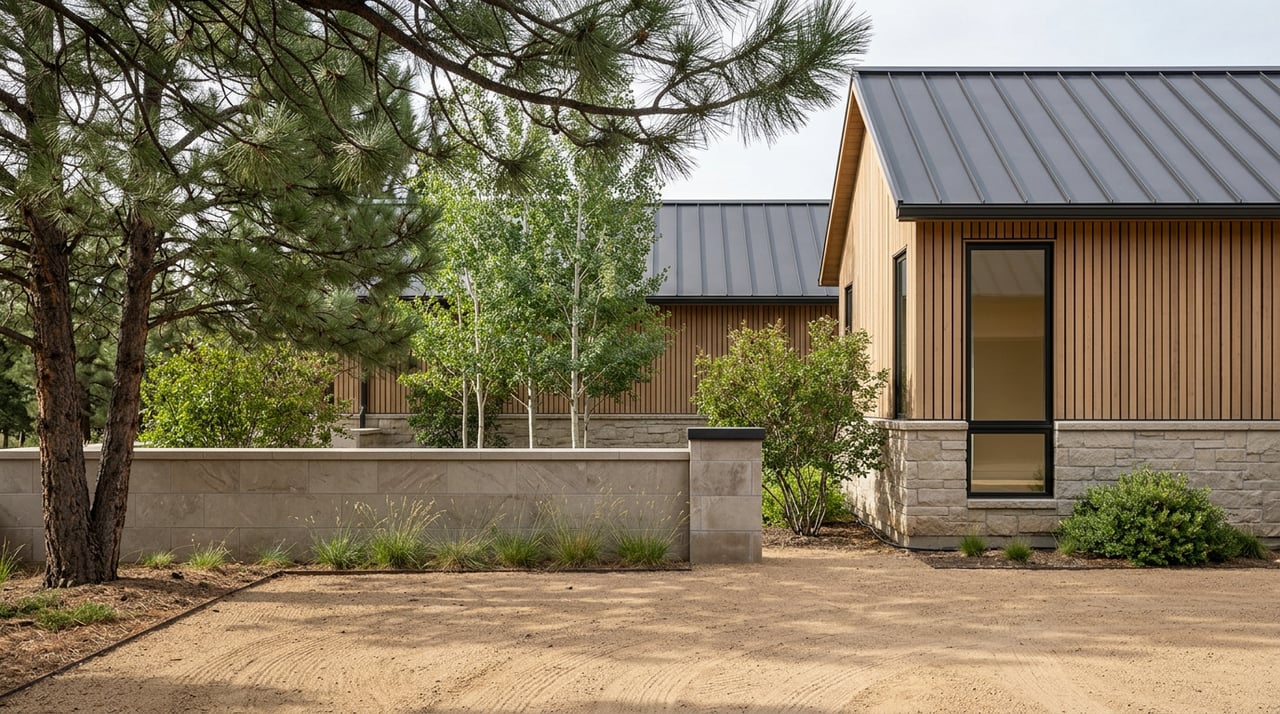
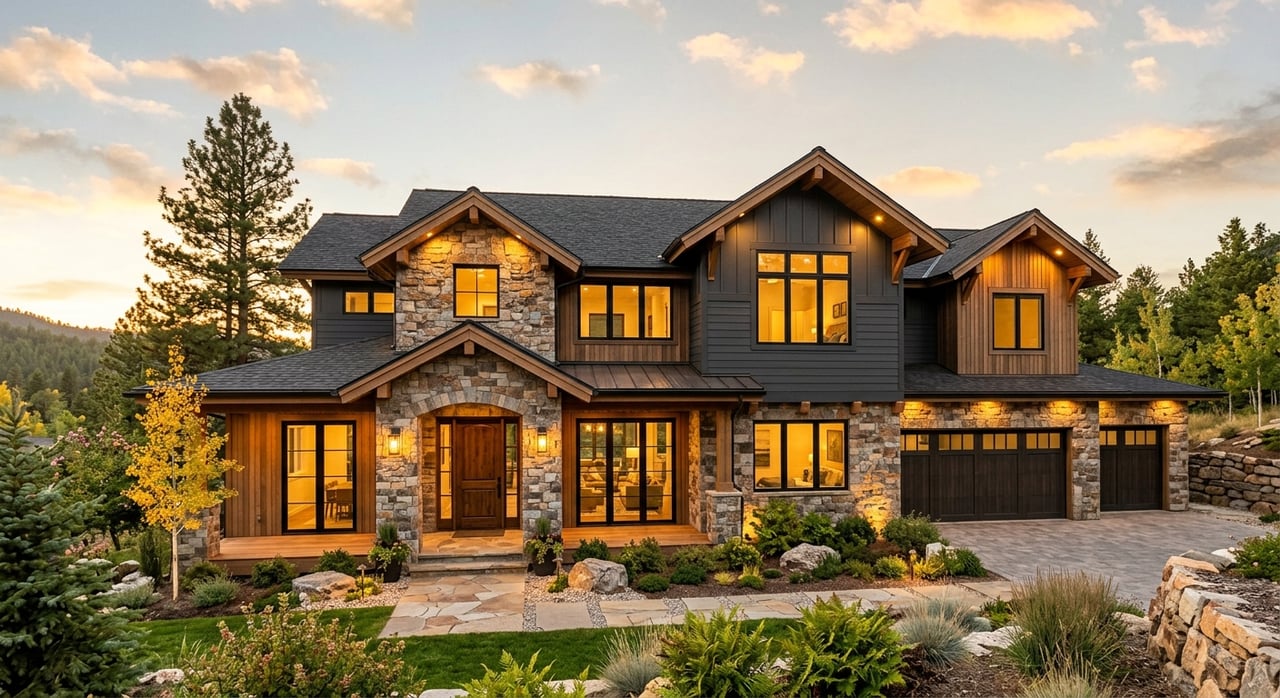
- Asymmetrical rooflines with mixed gables or shed roofs.
- Clean forms and strong horizontal lines.
- Large windows to frame views, often floor‑to‑ceiling.
- Deep eaves or cantilevers for shade and weather protection.
Materials and interiors
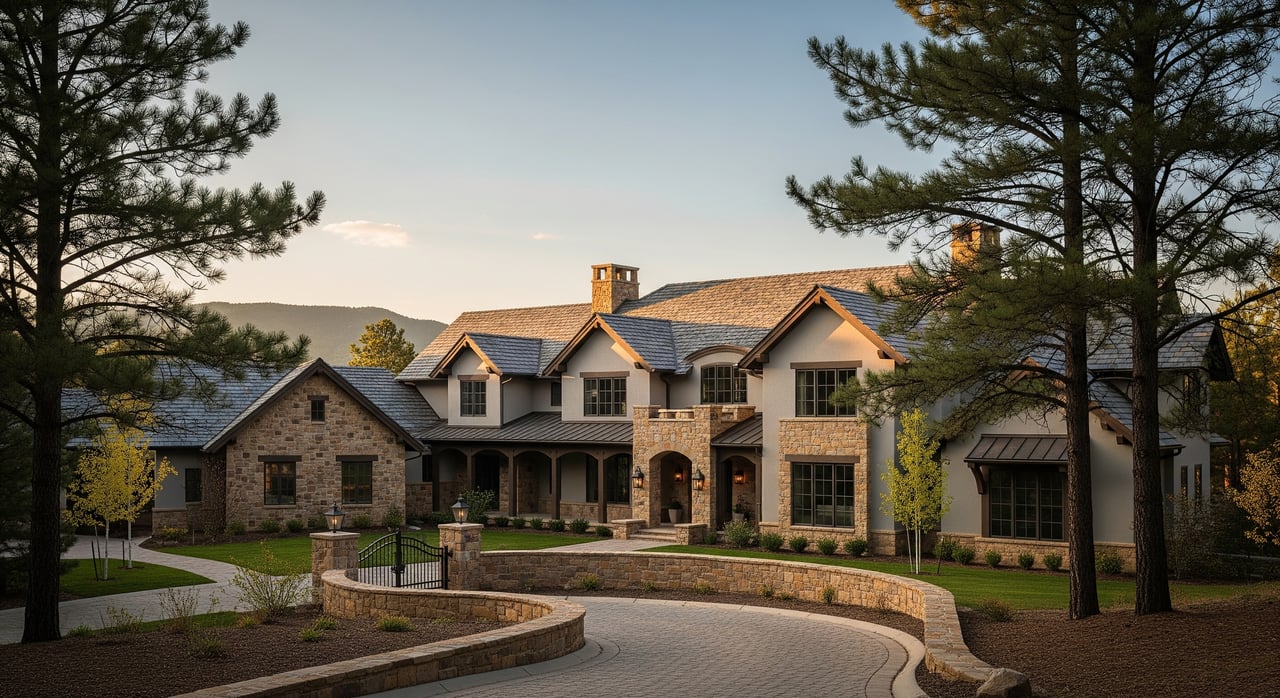
- Natural stone at entries, bases, and chimneys.
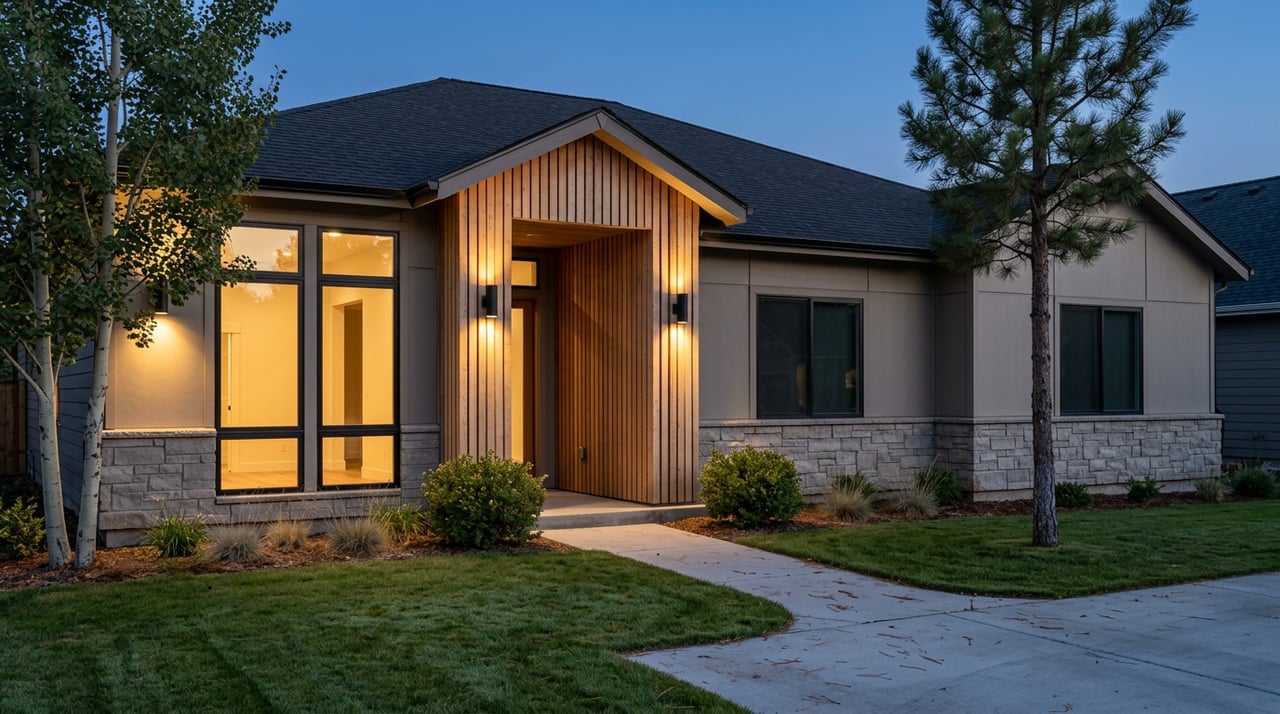
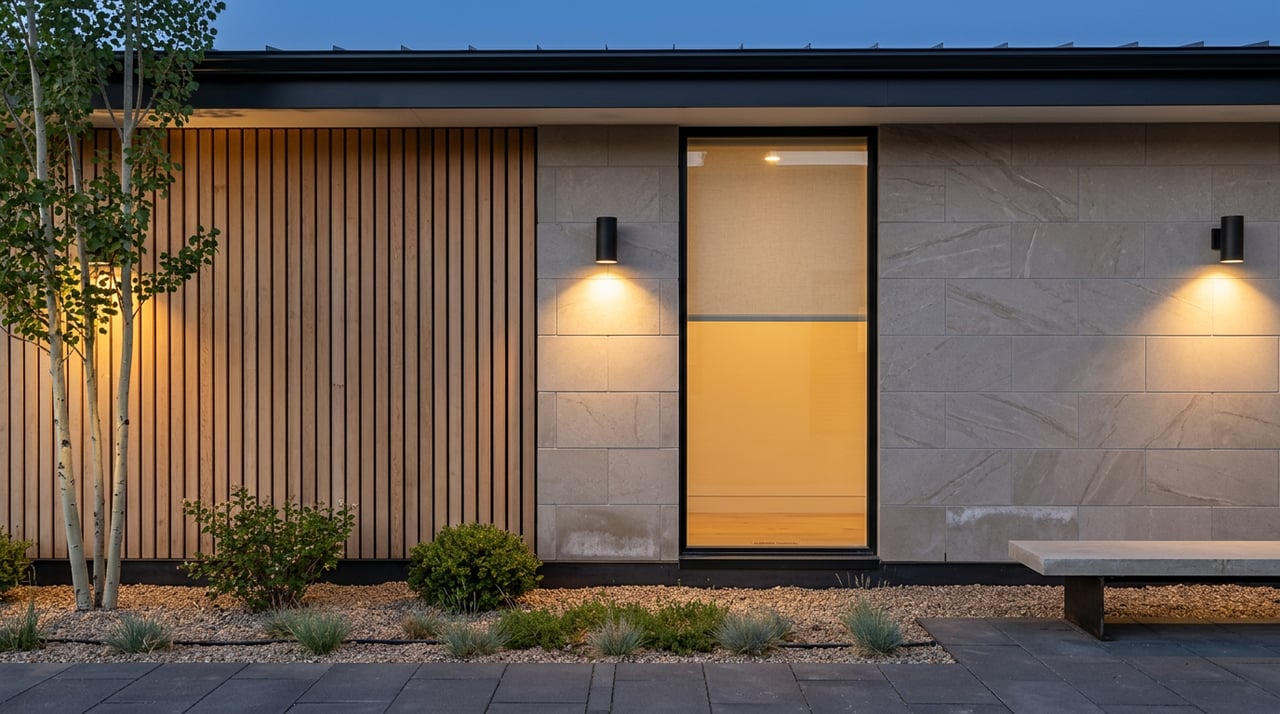
- Wood siding or heavy timber accents, often stained.
- Standing‑seam metal accents with asphalt shingles elsewhere.
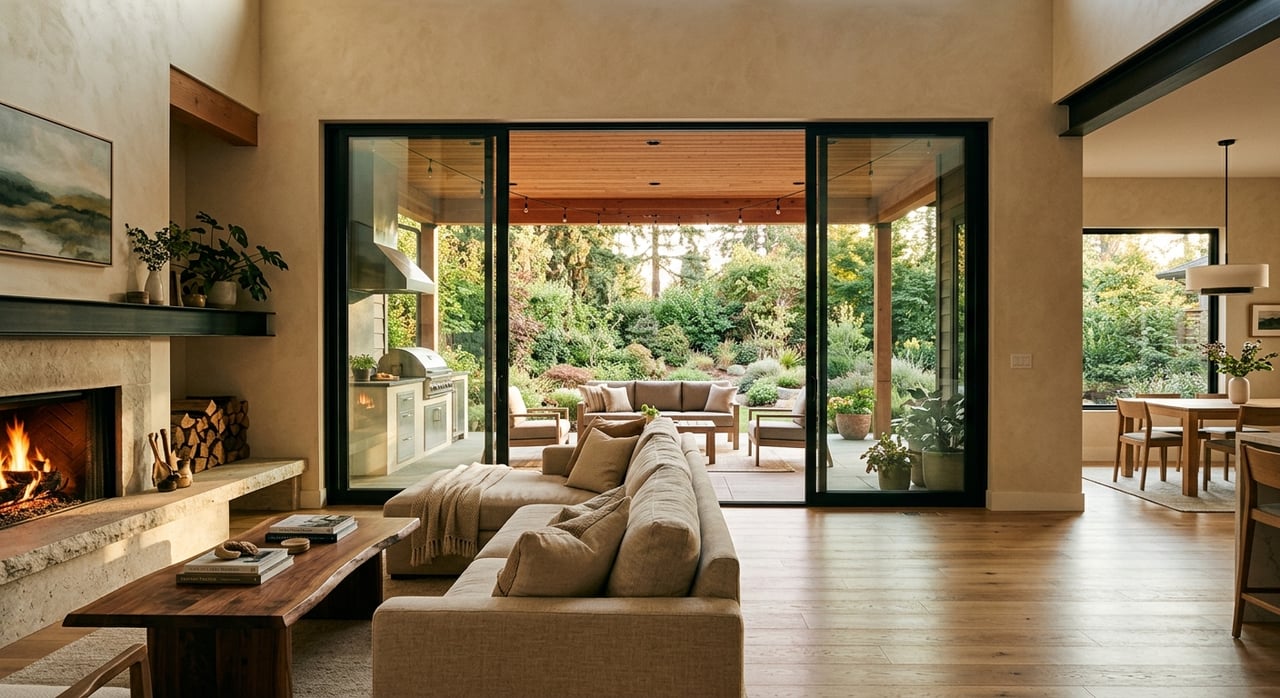
- Open plans, vaulted ceilings, and natural finishes like wood and stone.
Local adaptations and care
- Use weather‑resistant species and protective coatings for wood.
- Plan for periodic staining or sealing of exposed timber.
- Large glazing may need seasonal cleaning and occasional seal attention.
Energy and resale notes
- High‑performance windows with low‑e coatings help manage heat loss and solar gain.
- Deep overhangs or adjustable shading improve comfort.
- Strong resale comes from view orientation, quality stone and metal details, and tight building envelope work.
Tuscan style overview
Defining exterior cues
- Low‑pitched, often hipped roofs.
- Smooth or textured stucco in warm, earth‑tone palettes.
- Arched openings and wrought‑iron accents.
Materials and interiors
- Clay or concrete tile roofs, or tile‑look alternatives.
- Stone at bases, columns, and entries for depth and contrast.
- Interiors with plaster or textured walls, stone‑look or terracotta tile, and heavy wood details.
Local adaptations and care
- Stucco needs a proper drainage plane, flashing, and movement joints.
- Tile roofs require structural framing sized for snow loads.
- Inspect roofs after major snow or wind events for cracked tiles or flashing issues.
Energy and resale notes
- Stucco and masonry can add thermal mass but do not replace insulation.
- Buyers respond to well‑detailed stucco, quality tile, and cohesive landscaping.
Modern farmhouse overview
Defining exterior cues
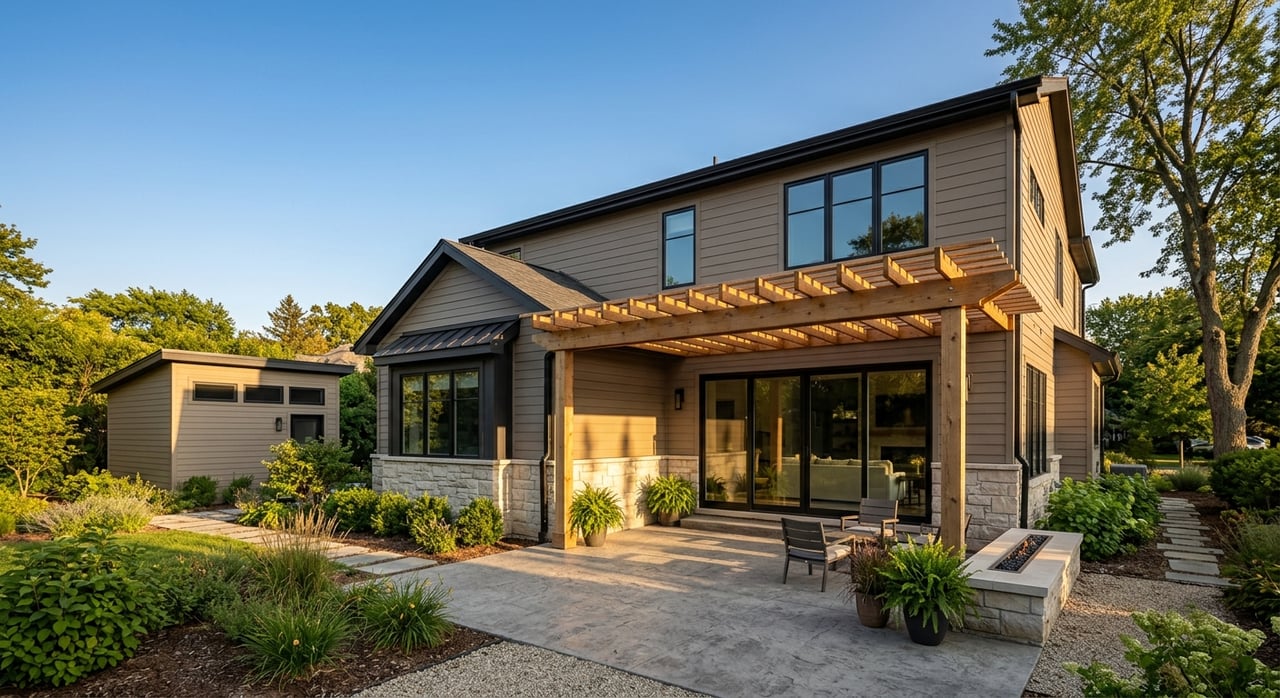
- Simple, boxy forms with steep gables and cross‑gables.
- Covered porches and crisp, clean lines.
- Black‑framed windows for contrast.
Materials and interiors
- Board‑and‑batten siding in light or modern dark palettes.
- Metal roof accents on porches or secondary roofs.
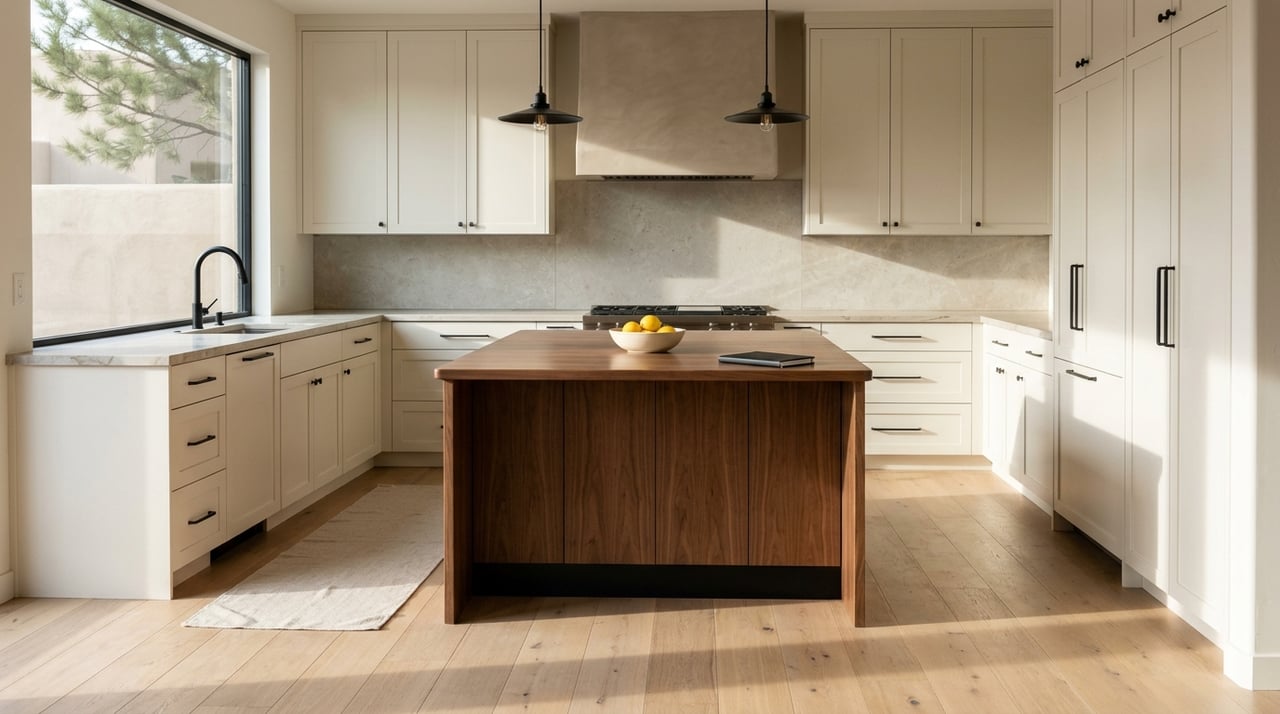
- Open‑concept interiors, large kitchens with islands, and farmhouse‑style details.
Local adaptations and care
- Fiber‑cement or engineered wood reduces repainting cycles in high UV.
- Seal porch elements to protect against freeze–thaw.
- Metal roof accents are durable but should be checked for fasteners and sealants.
Energy and resale notes
- Simple forms make it easier to create continuous insulation and air sealing.
- Modern finishes and low‑maintenance exteriors appeal to busy buyers.
Materials and craftsmanship
Quality detailing often matters more than the style label. Here is what to watch:
Siding and cladding
- Fiber‑cement is durable and rot‑resistant with lower maintenance than painted wood.
- Wood delivers warmth and authenticity but needs regular coating and moisture protection.
- Stucco performs well with proper drainage and expansion joints; poor installation leads to cracking.
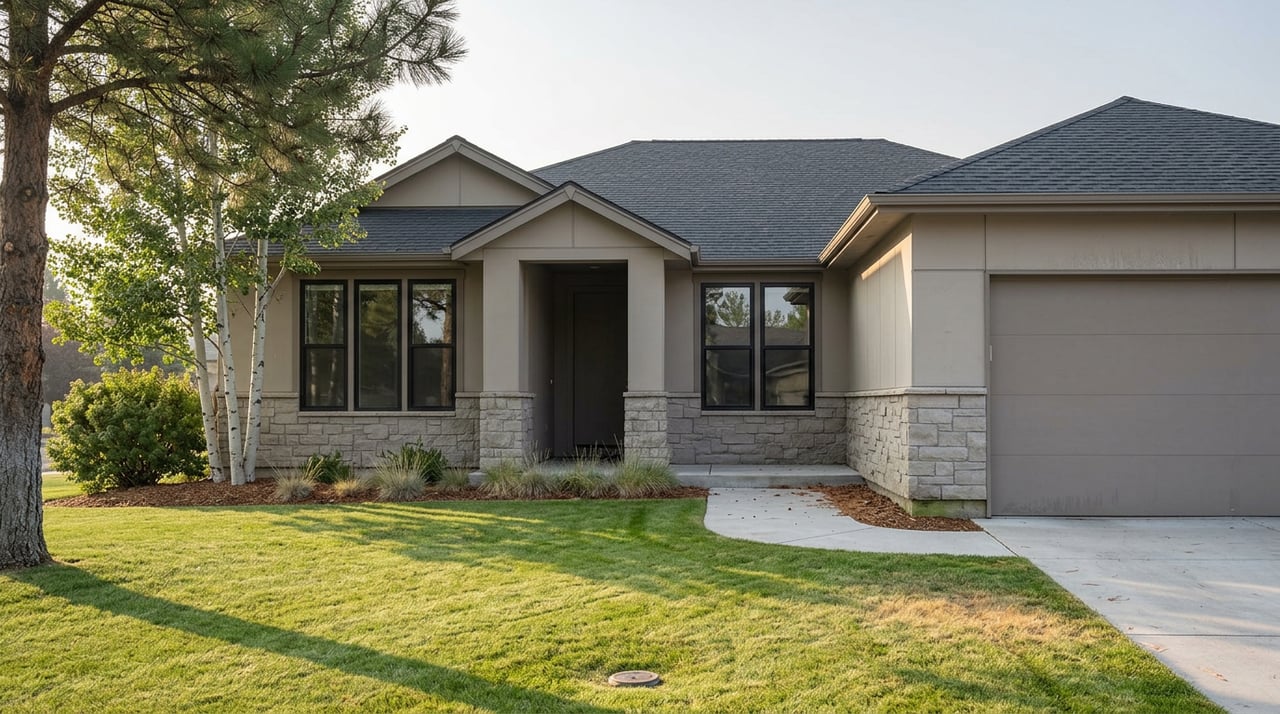
- Stone veneer is low maintenance when backed by correct flashing and weep systems.
Roof systems
- Architectural asphalt shingles often last 20 to 30 years.
- Standing‑seam metal can last 30 to 70 years and sheds snow well.
- Concrete or clay tile can exceed 50 years with proper support and detailing.
- Ventilation, insulation, and quality flashing help prevent ice dams and premature wear.
Windows and doors
- Double or triple glazing with low‑e coatings is important at elevation.
- Correct installation, flashing, and air sealing are as critical as the glass package itself.
- Thermal breaks and well‑sealed sills help manage condensation.
Masonry and stucco detailing
- Include base flashing, weep systems, and control joints for movement.
- Size mortar and anchoring systems for freeze–thaw exposure.
Exterior finishes and metalwork
- Black metal accents and architectural lighting are popular across styles.
- Specify UV‑resistant finishes to reduce fading and corrosion.
Maintenance and costs over time
No matter the style, prioritize water management and regular inspections.
- Roofs: asphalt shingles about 20–30 years; standing‑seam metal 30–70 years; tile 50+ years with proper support.
- Siding: fiber‑cement lasts for decades with low maintenance; wood needs more frequent recoating; stucco is long‑lived but repairs are specialized.
- Windows: many double‑pane units show seal wear in 15–25 years; higher‑performance systems can extend useful life.
- Annual habits: clear gutters, confirm grading away from the foundation, and refresh caulks around windows and doors. Use UV‑stable paints and stains made for high‑elevation exposure.
Energy performance by style
- Mountain contemporary: large windows increase both heat loss and solar gain. Use high‑performance glazing, shading, and right‑sized HVAC to balance comfort and cost.
- Tuscan: thermal mass can help moderate swings but does not replace insulation and air sealing.
- Modern farmhouse: simpler roof and wall shapes make it easier to achieve continuous insulation.
- High‑value upgrades: air sealing, attic insulation, high‑efficiency HVAC (including cold‑climate heat pumps), and better windows typically improve comfort and reduce bills.
Resale appeal and tips
Buyers pay for fit, finish, and function. Style sets a tone, but execution sells the home.
- Neighborhood fit: homes that align with community character tend to attract stronger offers.
- Materials and craftsmanship: tight seams, proper flashing, and even finishes signal lower future costs.
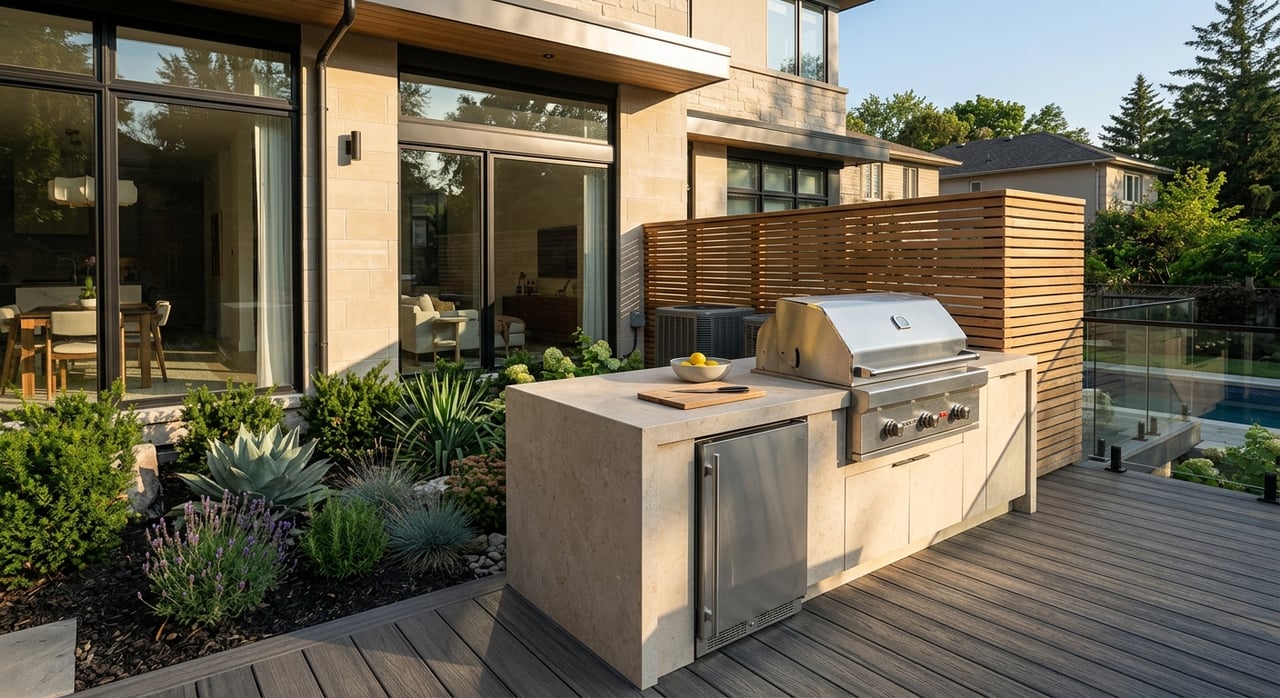
- Functional features: outdoor living, view orientation, garage and storage, and upgraded kitchens and baths stand out.
- Seller strategies: highlight durable materials, recent upgrades, and maintenance records. Include HOA approvals for any exterior changes.
Choose your best fit
If you value dramatic views and natural finishes, mountain contemporary may speak to you. If you prefer warm tones, arched details, and tile roofs, consider Tuscan. If crisp lines, simple forms, and low‑maintenance exteriors appeal, modern farmhouse is a strong match. In every case, focus on quality materials, correct detailing for Colorado’s climate, and documentation that proves care.
Ready to align style, performance, and resale in Castle Pines Village? Partner with a construction‑literate advisor who can translate design into lasting value. As Vice President of Novella Real Estate’s Custom & Luxury Homes Division with a proven luxury track record, Charles Ward can help you evaluate options, prep for market, or plan a smart renovation. Request a Complimentary Home Valuation.
FAQs
How style affects resale value in Castle Pines Village
- Both matter, but buyers prioritize functional layouts and quality finishes. Durable, well‑executed materials usually have more impact on resale than style alone.
Energy costs with large windows in mountain contemporary homes
- Large windows can raise heat loss and solar gain, but high‑performance glazing, good shading, and right‑sized HVAC mitigate most energy penalties.
Stucco performance in Colorado’s freeze–thaw climate
- Stucco can perform well when installed with a drainage plane, proper flashing, and movement joints. Failures usually trace to poor detailing.
Lowest‑maintenance exterior materials for Castle Pines Village
- Fiber‑cement siding, standing‑seam metal roofing, and properly detailed stone veneer generally require less maintenance than painted wood or untreated timber.
HOA design review and changing a home’s exterior style
- In planned and gated communities, exterior changes typically require HOA review under CC&Rs. Review guidelines early to avoid delays.