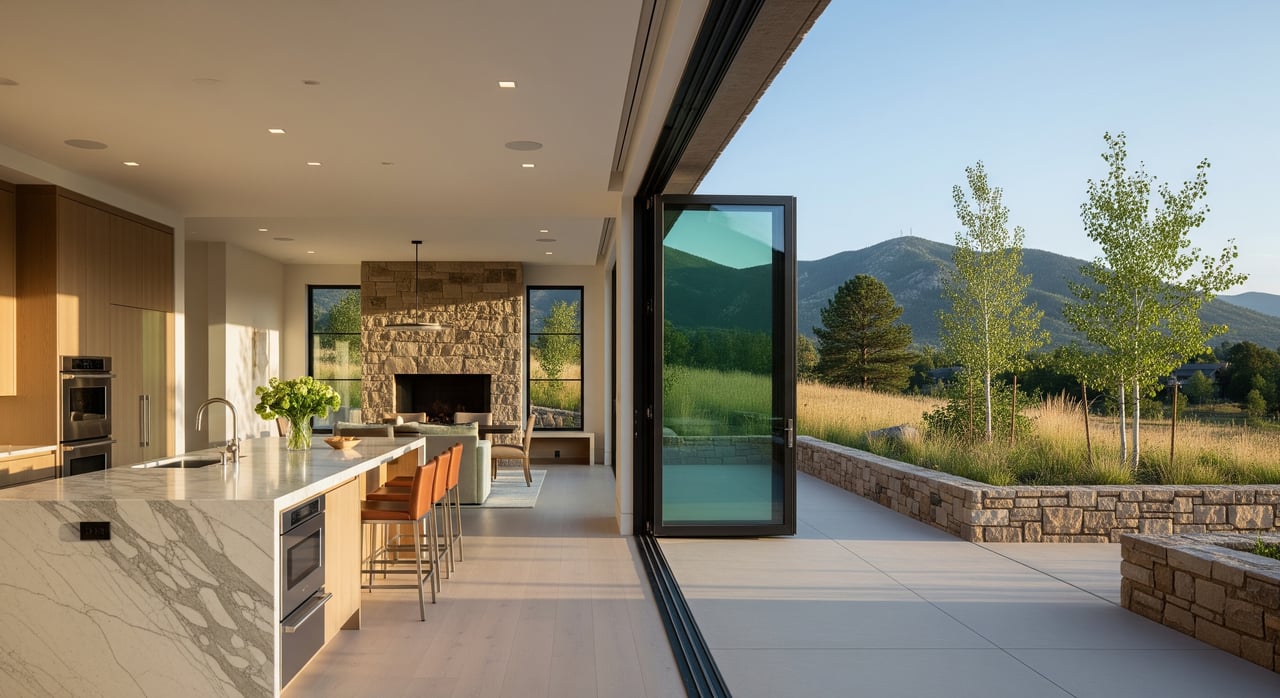
Greenwood Village Luxury Home Features That Help Homes Resell
February 5, 2026
February 5, 2026
Thinking about a luxury refresh before you list in Greenwood Village? You want improvements that impress buyers and protect your bottom line, not a project that misses the mark. In this guide, you’ll learn which high‑end features tend to resell best here, how to align upgrades with neighborhood expectations, and which steps help you spend wisely. Let’s dive in.
Greenwood Village draws buyers who want move‑in‑ready homes, flexible space for work and guests, and quality materials that feel timeless. Many look for modern kitchens and primary suites, indoor‑outdoor living for entertaining, and energy efficiency paired with smart home tech.
Your best results come when you match the finish level and scale to similar homes in your immediate neighborhood. Being the highest‑spec home on a block of midrange finishes can limit your return. Review local comparable sales and lean on an advisor who knows the area’s luxury segments.
Additional bathrooms reduce buyer friction and boost livability. A well‑designed ensuite or a main‑level powder room often delivers strong appeal in luxury properties.
Finished basements or attic conversions that meet code and feel bright and connected add marketable square footage. Extra bedrooms or a flexible studio can widen your buyer pool.
A main‑level primary or private guest suite adds long‑term flexibility. This layout serves multigenerational living and simplifies life for many buyers.
Buyers prioritize covered parking, built‑in storage, and EV‑ready wiring. A clean, organized garage with a Level 2 circuit can set your home apart.
Durable roofs, quality windows, and improved insulation reduce perceived risk and operating costs. These system upgrades support buyer confidence and can help during inspection and appraisal.
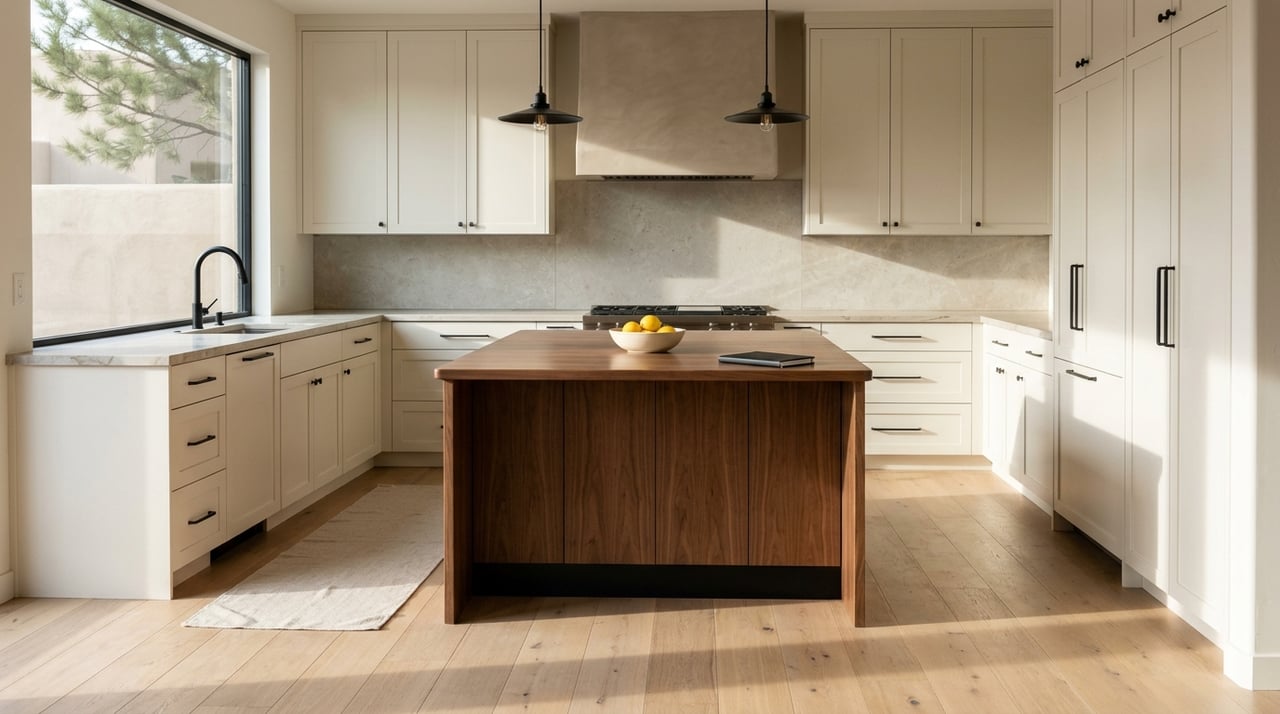
Aim for high‑quality cabinetry, a functional island, professional‑grade appliances, and stone countertops. Keep finishes neutral and layouts intuitive. The kitchen remains the heart of value in luxury homes.
A generous bedroom, organized walk‑in closets, and a spa‑style bath with a quality shower and lighting create impact. Focus on comfort, storage, and a cohesive design.
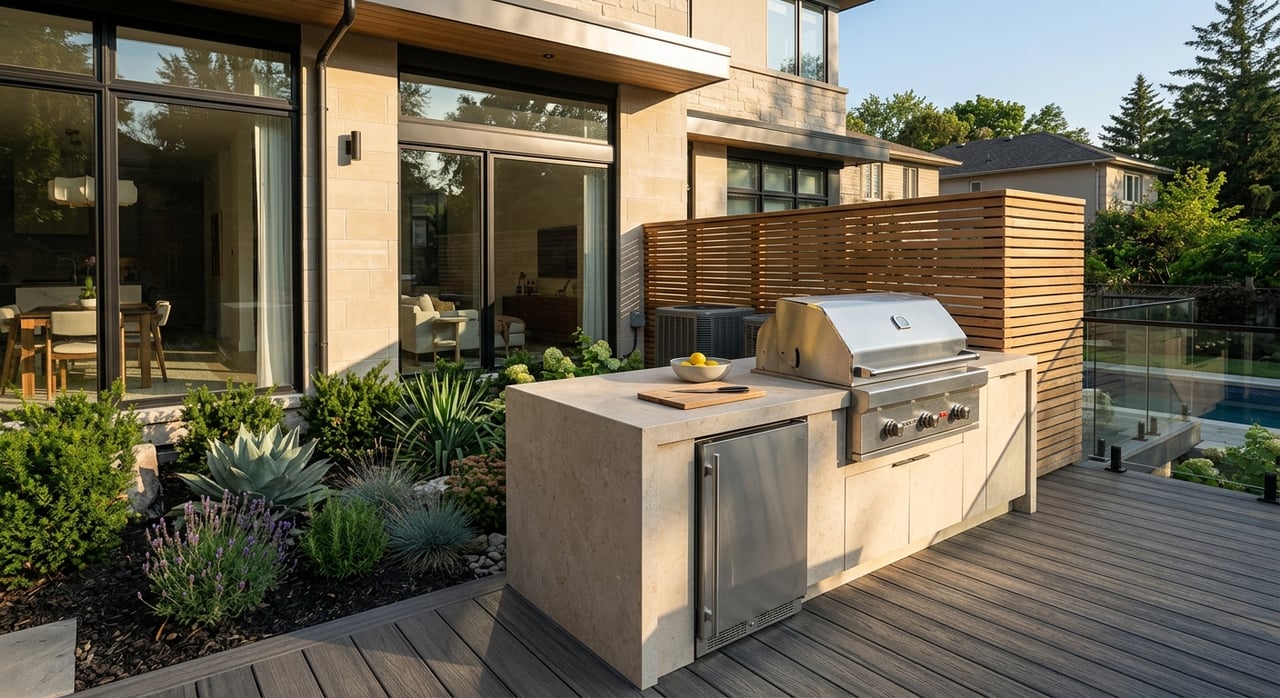
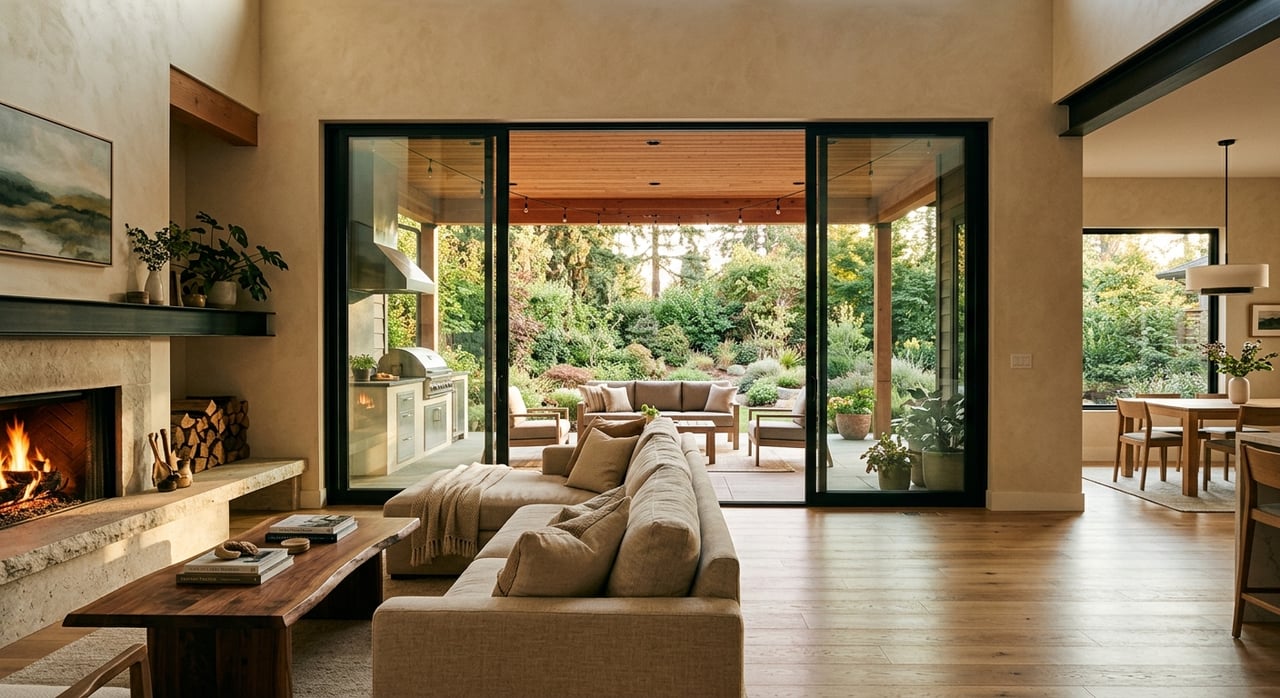
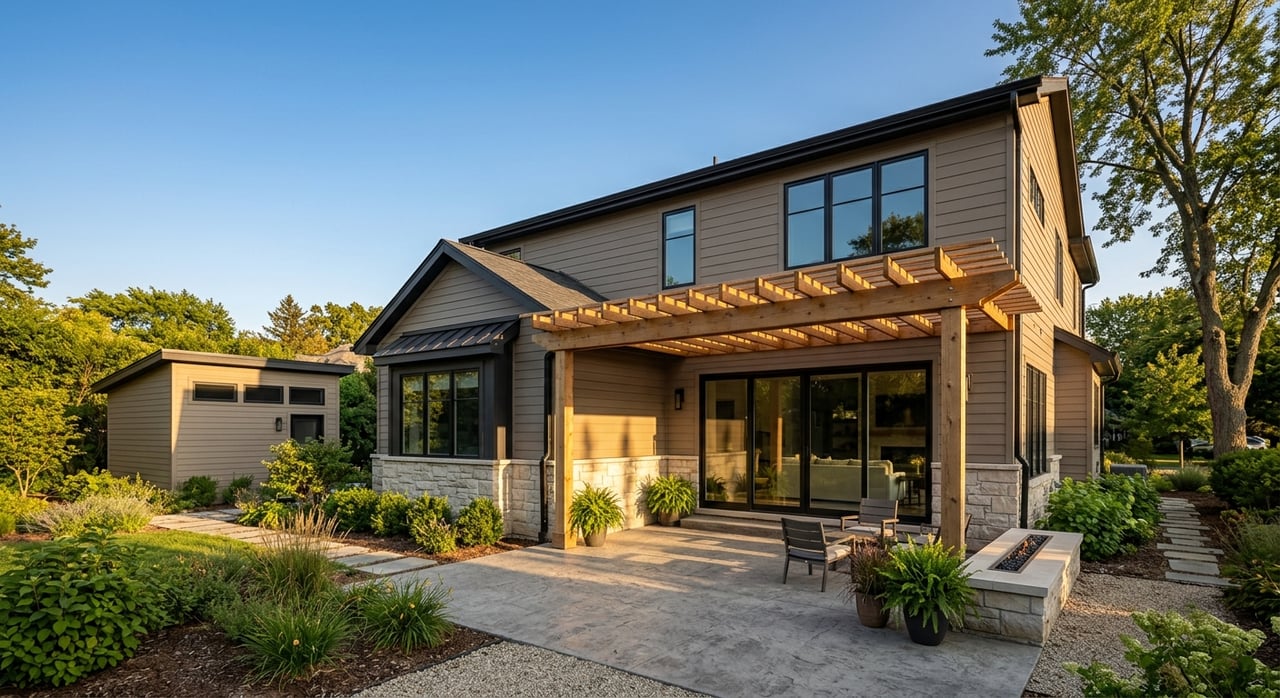
Covered patios, outdoor kitchens, fireplaces, and thoughtful landscaping are prized in south metro Denver. Integrate lighting, privacy elements, and irrigation so the space feels turnkey.
High‑efficiency HVAC, heat pumps where practical, and updated insulation show care for comfort and long‑term costs. These features align with growing buyer interest in energy performance.
Centralized lighting control, thermostats, security, and whole‑home audio add convenience. Favor systems that are reliable, intuitive, and serviceable.
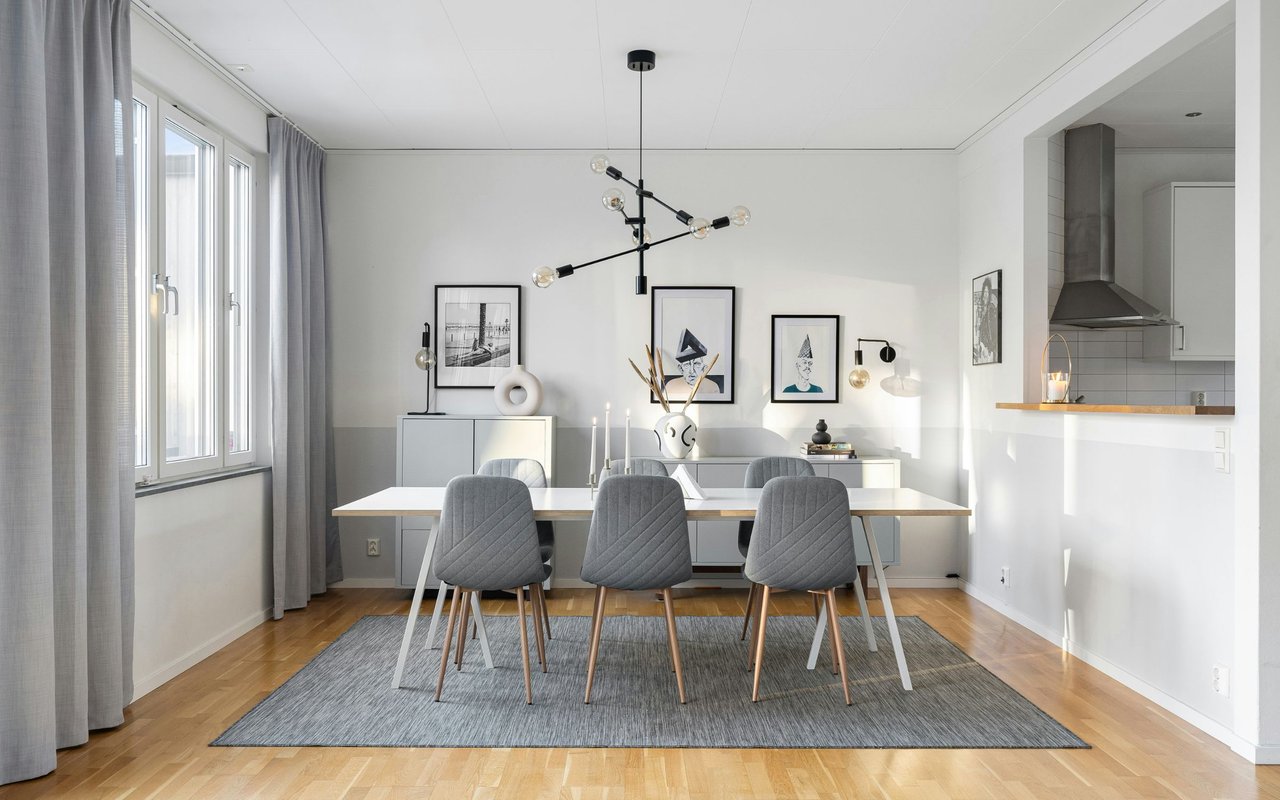
Wide‑plank hardwood, high‑quality tile, solid interior doors, and layered lighting add a calm, elevated feel without polarizing tastes.
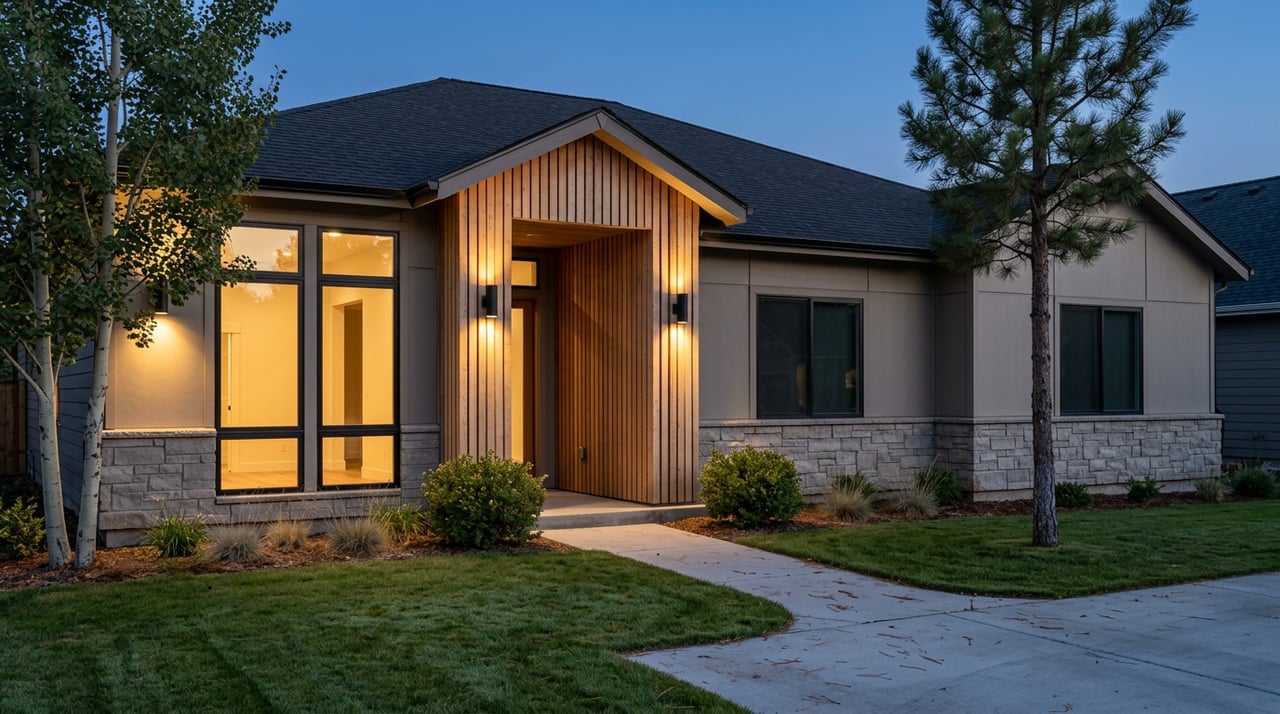
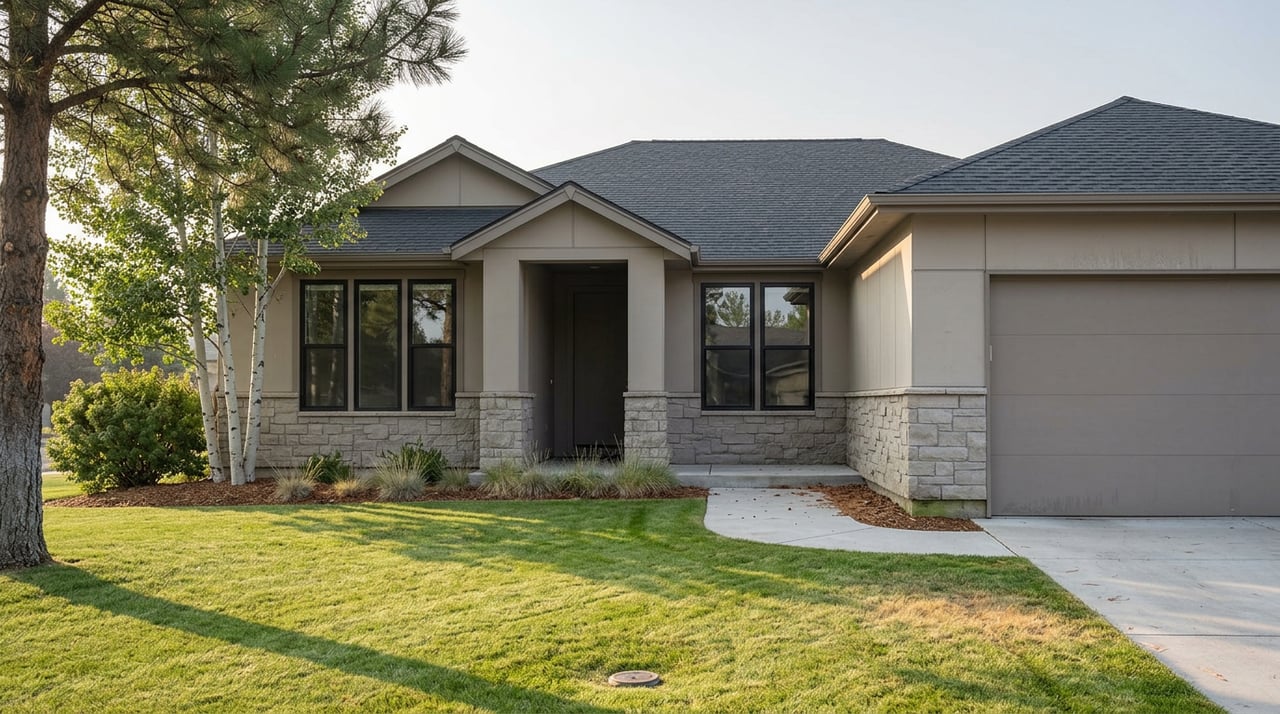
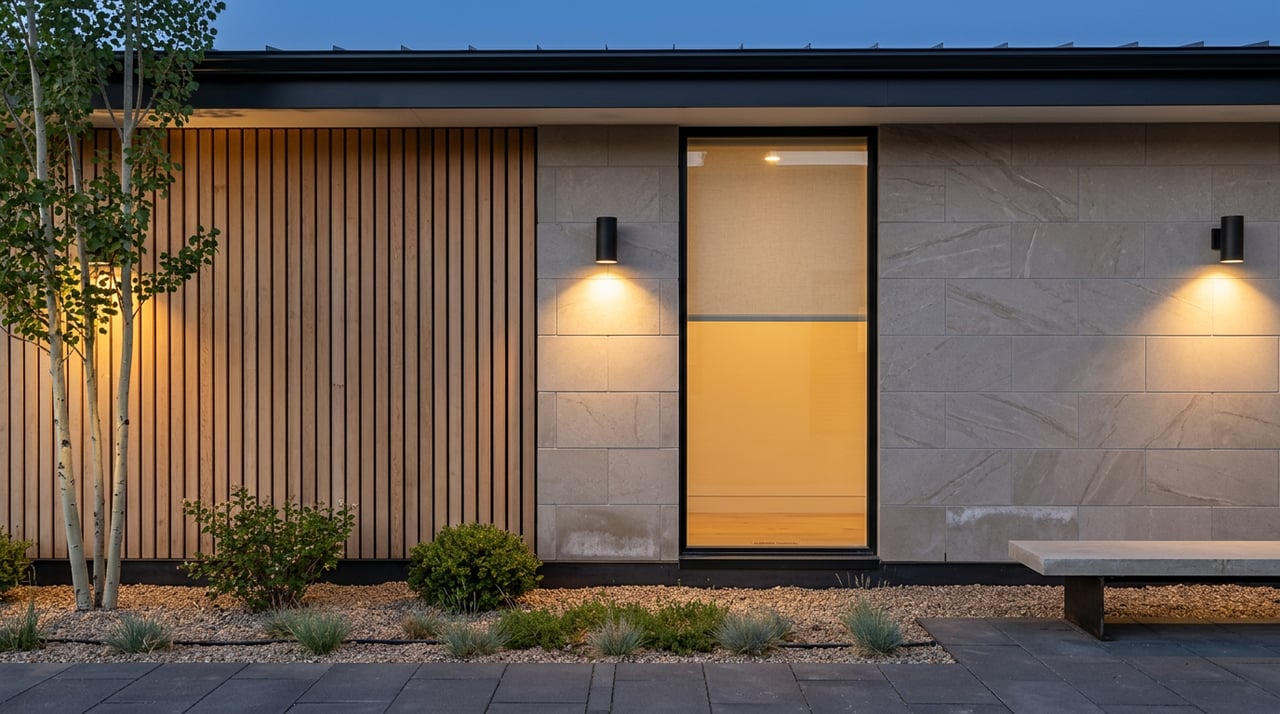
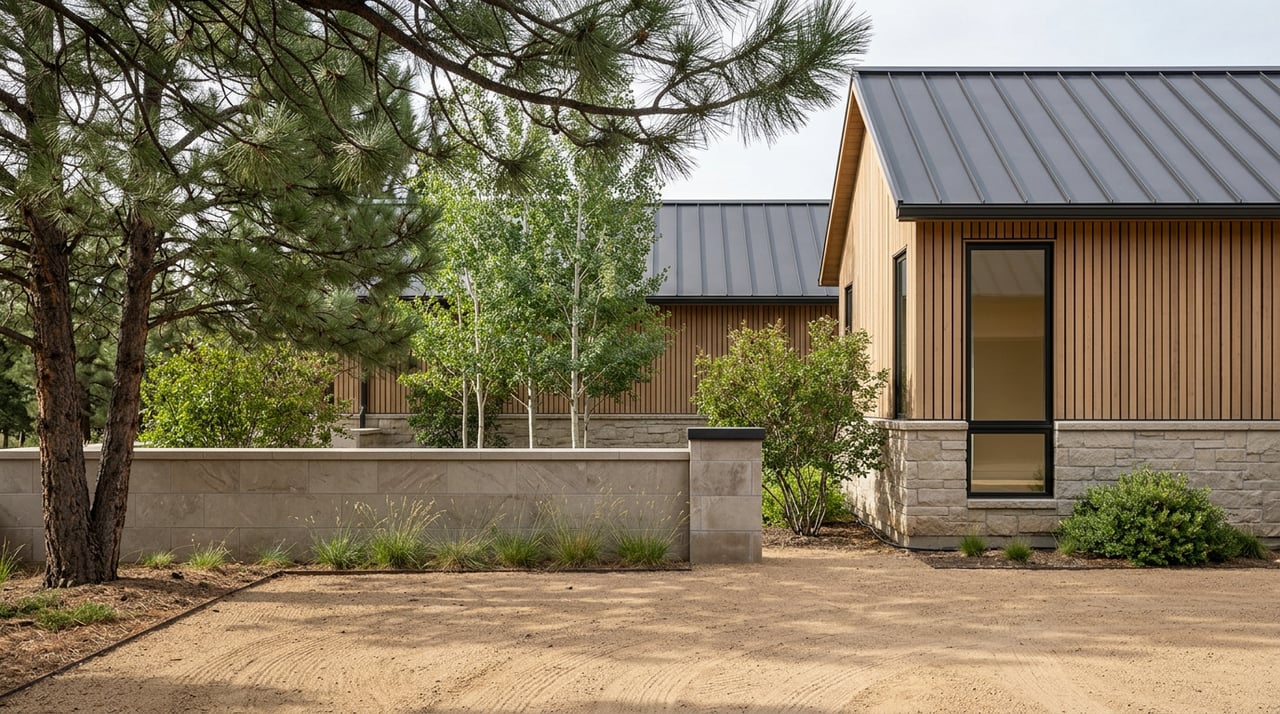
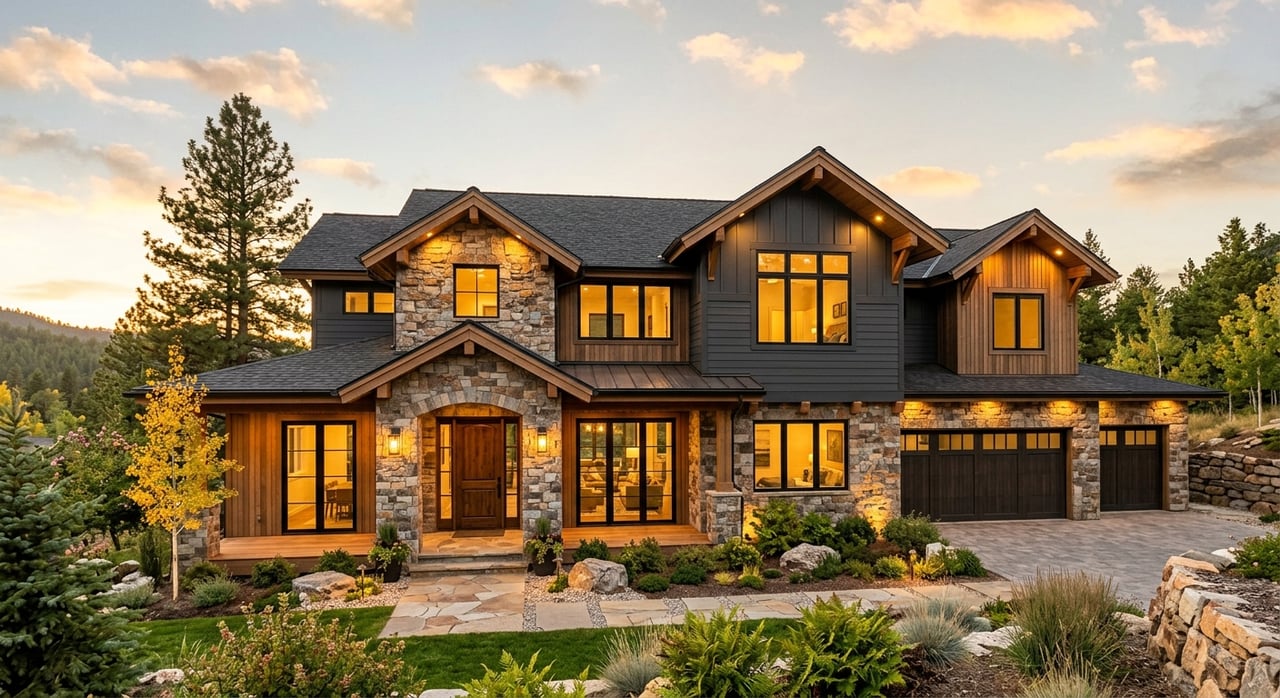
Natural stone accents, quality siding, and landscape designs that balance beauty with low water and maintenance needs help buyers envision easy ownership.
These can be prized by some buyers, but they carry higher risk. Keep the core of the home functional and timeless.
Greenwood Village includes a mix of lots, architecture, and finish levels. Study recent sales in your immediate subdivision to set scope and quality targets. This helps you avoid over‑improving and keeps budgets realistic.
Exterior changes, additions, and many mechanical or electrical projects typically require permits. Many subdivisions also have architectural review guidelines. Check requirements with the city and your HOA before you finalize plans or book contractors.
Properties near drainage corridors may face additional rules. Large electrical loads for EV chargers or outdoor kitchens may require panel upgrades. Expect permitting and trade lead times to add weeks or months to your schedule.
Structural additions that increase gross living area tend to influence appraised value more than cosmetic changes. Substantial improvements can also affect assessed value. Plan budgets with these factors in mind.
Tie your renovation budget to likely resale price based on nearby luxury comps. Structural and systems improvements are safer investments than trend‑driven finishes. For ballpark ROI on common projects, use regional cost comparisons and then calibrate with local sales data.
When in doubt, get two to three contractor bids for scope and pricing, then review the plan with a local agent or appraiser. This sequence helps you avoid scope creep and focus on upgrades buyers actually reward.
Start with systems and structural items, then address layout, and finish with surfaces and lighting. This order prevents rework and helps keep trades coordinated.
In a luxury resale, neutral palettes, natural materials, and cohesive lighting do more for value than rapidly changing design trends.
Maintain permits, inspection records, appliance manuals, and contractor warranties. Organized documentation increases buyer confidence and supports negotiations.
Even after renovations, staging and a light refresh matter. Clean, uncluttered rooms with clear focal points help buyers see the upgrades.
If you want a construction‑informed plan tailored to your home and your goals, reach out to Charles Ward. You’ll get clear guidance on which upgrades to tackle, what to skip, and how to present your home for maximum impact.
Stay up to date on the latest real estate trends.
Contact Charles today to learn more about his unique approach to real estate, and how he can help you get the results you deserve.
5600 S QUEBEC ST STE 150D GREENWOOD VILLAGE CO 80111