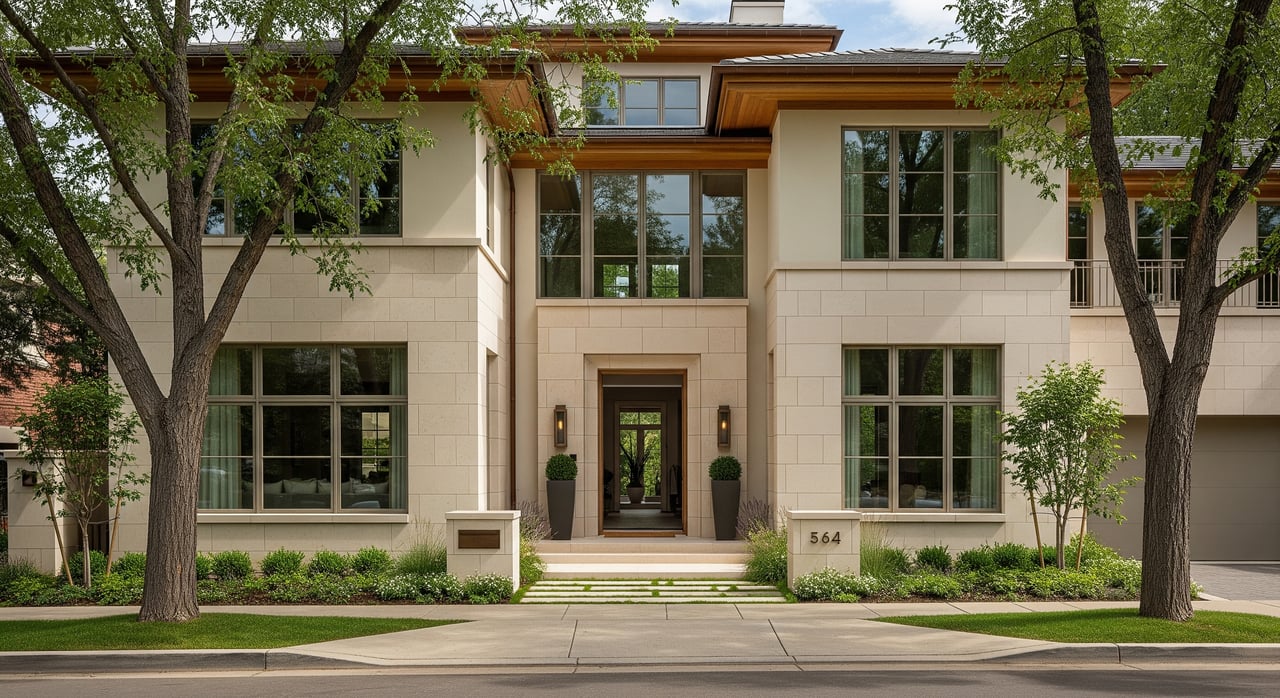
Denver Building Codes and Luxury Design in Cherry Creek
November 21, 2025
November 21, 2025
Planning a luxury remodel or custom build in Cherry Creek? You are not just choosing finishes and floor plans. Denver’s codes shape what you can build, where it sits on the lot, and even how much glass you can use. In this guide, you will learn how zoning, building, and energy rules translate into real design decisions so you can protect your vision, timeline, and budget. Let’s dive in.
Denver’s rules fall into a few buckets: zoning and site controls, building and life safety, energy performance, and site work like drainage and trees. Each one influences your home’s massing, windows, outdoor space, and even mechanical systems.
Zoning determines your setbacks, height limit, and how much of the lot you can cover. On many Cherry Creek blocks, side setbacks and narrow lots push designs to go vertical or to use light wells and courtyards. That envelope is the first boundary your architect will draw.
Height caps influence where you can place tall ceilings, double-height spaces, and roof decks. If you want dramatic volumes, you may need stepbacks, clerestory windows, or strategic roof forms to stay within limits while keeping natural light and scale.
Luxury programs often include large kitchens, suites, and generous garages. If lot coverage or floor-area ratio feels tight, basements and detached accessory structures can unlock space without blowing past limits. Many projects blend below-grade amenities with compact, efficient main floors.
On pedestrian-oriented blocks, street-facing garage doors can be restricted. Cherry Creek alleys often become the preferred access. That pushes design toward rear or tuck-under garages, which can improve curb appeal and free the front for windows and landscaping.
Denver applies the International Residential Code for detached homes and the International Building Code for certain attached or larger projects. These rules protect life safety and set key dimensions that ripple through your plan.
Bedrooms and basements must have egress openings that meet minimum size and sill height. This affects window selections, well design, and even finished-floor elevations. You can still use beautiful profiles, but they must be operable and sized to code.
Minimum ceiling heights and stair geometry control how floors stack and how much footprint a stair needs. For tight lots, you may trade a larger stair for a more open great room or use switchback stairs to save space while meeting rise, run, and headroom rules.
Attached or multi-unit conditions trigger fire-rated assemblies and, in some cases, sprinklers. These systems affect wall types, penetrations, and mechanical routing, so they should be baked into the schematic design, not added late.
Denver adopts the International Energy Conservation Code with local amendments. It sets targets for insulation, air sealing, window performance, HVAC efficiency, and ventilation. If you love large panes and indoor-outdoor living, this is the code that matters most.
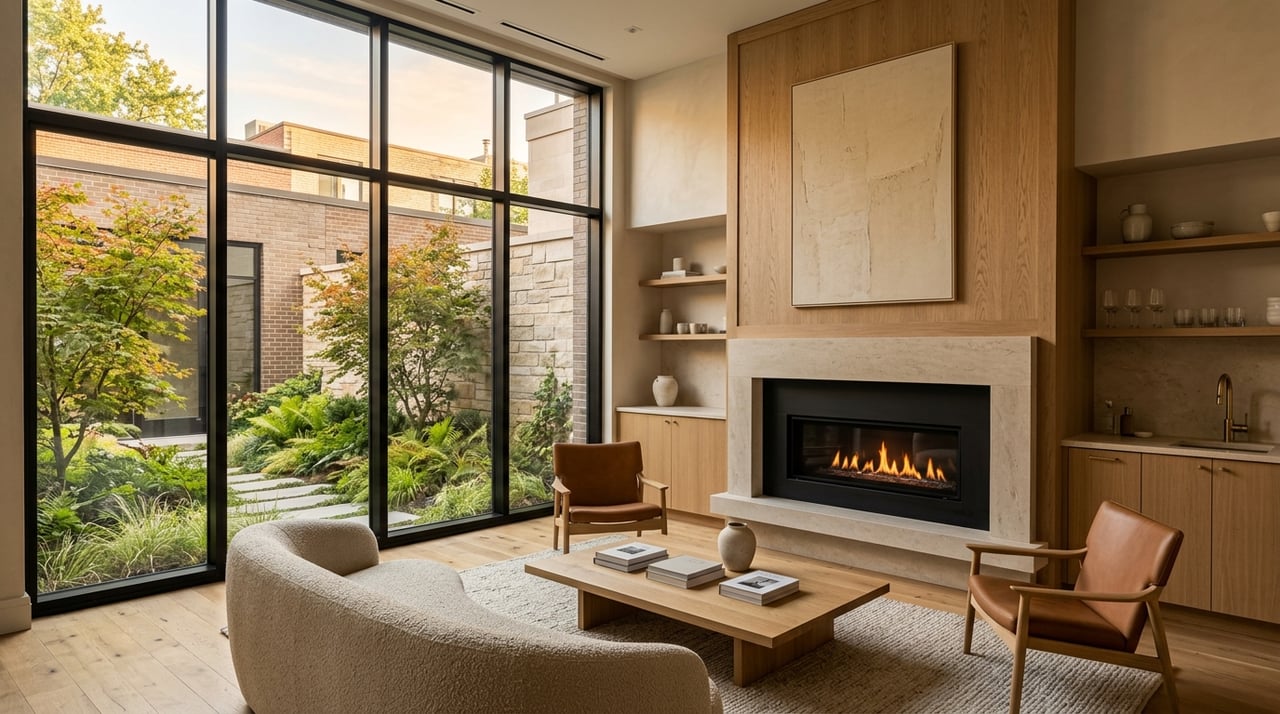
Big south or west glass brings heat gain in summer and losses in winter. Windows must meet U-factor and, in some cases, solar heat gain targets. You can still use expansive views by choosing thermally broken frames, high-performance low-e coatings, and, where needed, triple glazing or dynamic shading.
You can comply by meeting each prescriptive item or by modeling whole-house performance. Designs with significant glass often use the performance path so you can trade higher window performance or added insulation for the glazing you want.
A tight envelope changes heating and cooling loads. Right-sized equipment and balanced ventilation keep comfort high without oversizing. Many projects include heat-recovery ventilation for fresh air and efficiency.
Your outdoor plan is shaped by site rules that often surprise owners late in the process. Address these early to protect your schedule.
Larger additions or new builds may trigger on-site stormwater management. Big terraces, pools, and paved courts can push you over thresholds. Permeable pavers, green roofs, and infiltration planters help reduce impervious totals while keeping your design intent.
Denver regulates street tree protection and, in some cases, replacement. Mature trees influence driveway alignment, porch placement, and trenching routes. Early coordination with an arborist reduces risk and helps you preserve the streetscape character Cherry Creek is known for.
Many Cherry Creek lots take access from alleys. That can benefit your façade and pedestrian feel but may require alley improvements or utility coordination. On sloped lots, expect retaining walls or stepped foundations, which affect both budget and outdoor stairs and terraces.
Permitting includes intake, technical reviews, correction cycles, and inspections. High-end projects often go through multiple rounds. A smart sequence keeps momentum.
A pre-submittal consult helps identify zoning, stormwater, and energy issues before you finalize plans. For complex or high-visibility builds, this step saves time by preventing redesigns under deadline.
If your concept exceeds zoning limits, a variance or rezoning may be required. These are discretionary and benefit from neighborhood alignment. Some parcels may have historic or conservation overlays that add design review steps.
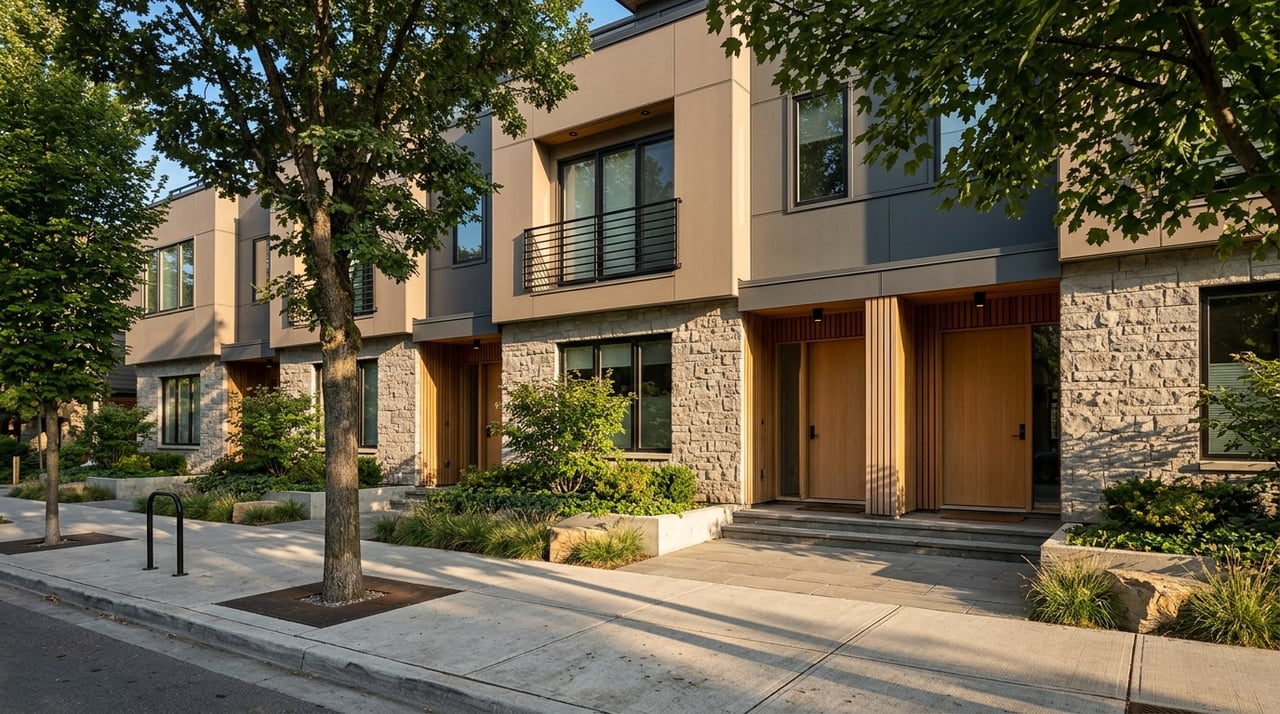
Even when zoning allows more massing, owners in Cherry Creek often prefer designs that respect street scale, materials, and privacy. Thoughtful articulation, screening, and landscape integration keep the luxury feel without overpowering the block.
A luxury project in Cherry Creek is part design and part technical choreography. You benefit when your real estate advisor understands zoning envelopes, energy trade-offs, and site constraints and can coordinate the right team from day one. With deep experience in high-end south metro Denver homes and builder coordination, you get credible guidance on feasibility, finish selections that align with code, and a smoother path from concept to keys.
Ready to talk next steps or map your property’s envelope, energy strategy, and outdoor plan? Request a Complimentary Home Valuation and a tailored pre-permit roadmap with Charles Ward, Vice President, Novella Real Estate’s Custom & Luxury Homes Division.
Stay up to date on the latest real estate trends.
Contact Charles today to learn more about his unique approach to real estate, and how he can help you get the results you deserve.

5600 S QUEBEC ST STE 150D GREENWOOD VILLAGE CO 80111