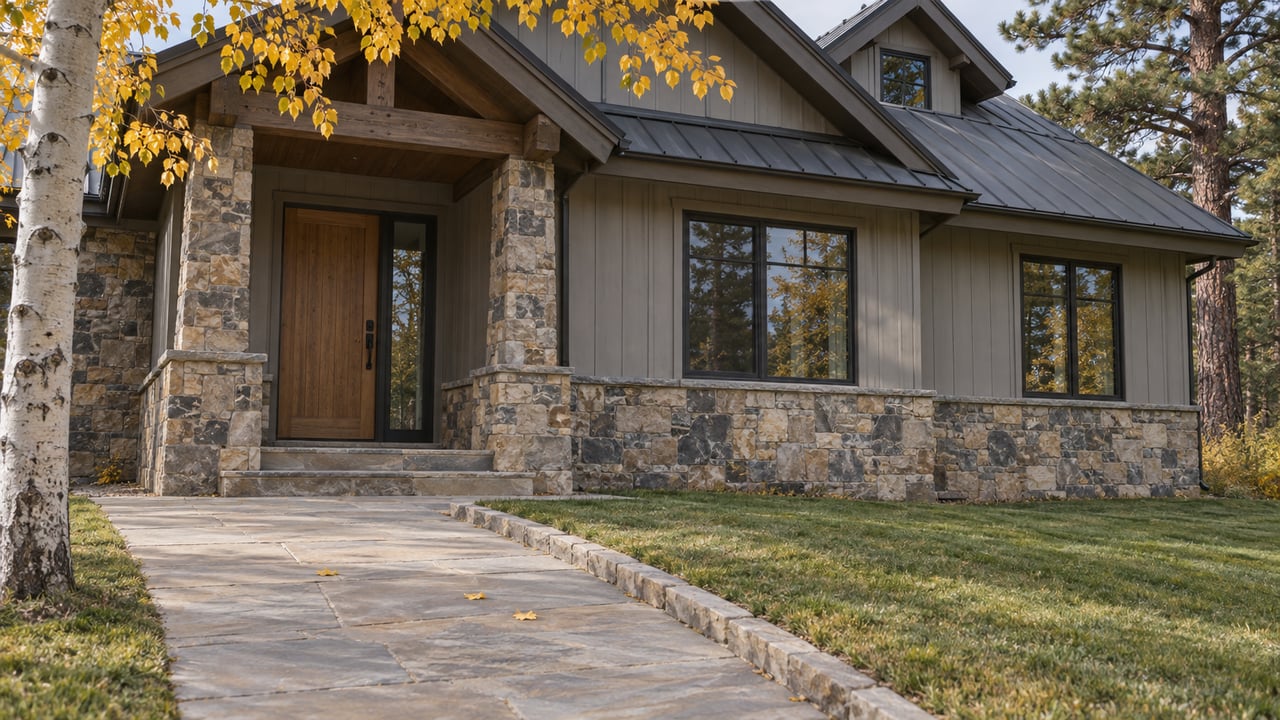
Trick-or-Treat Street Returns to Castle Pines Village Right as the Bears Get Bolder
October 1, 2026
October 1, 2026
The ponderosa pines behind Gate 4 hold their needles later into fall than most people expect, which means the streets inside The Village at Castle Pines stay shadowed even on afternoons that still feel like summer. That matters more this year than it usually does. Douglas County wildlife officials have reported more bears moving through neighborhoods during daylight hours in 2026, and they've pointed to a specific cause: last winter ran unusually warm and dry, which thinned out the natural food supply bears normally rely on before they den for the season. Bears that would typically stay tucked into the foothills are showing up closer to homes instead, looking for calories wherever they can find them.
That's not an abstract county-wide statistic for a community built into 2,800 acres of forest at 6,000 to 6,500 feet in elevation. The Village has always shared its footprint with deer, wild turkeys, elk, and the occasional bobcat, a fact the community itself acknowledges in describing its own setting. Bears have been part of that mix too, just less visibly. A drier winter that pushes more of them into daylight foraging changes the texture of a dog walk on the community's 13 miles of trails, and it changes the calculus for the one week every fall when hundreds of kids are out on those same streets after dark.
Here's where the timing gets specific. The Village runs its own private Halloween tradition, a Trick-or-Treat Street organized behind the gates as one of three signature seasonal events the community hosts for its residents, alongside a winter gathering called Santa in the Pines and a summer classic car show known as Hot Rods in the Village. These are internal, HOA-run traditions, planned by the Castle Pines Homes Association for people who live inside the five staffed gates.
A few minutes away, the City of Castle Pines, a separate incorporated municipality that Village residents do not technically live inside, runs its own Fall Festival on Saturday, October 24, 2026, at the Village Square shopping area. That event includes a Trick-or-Treat Street of its own, plus a farmers market, a petting zoo, and a new addition this year: a chili cookoff. The city has also scheduled a separate Bonfire, BBQ, and Brews evening the Friday before, October 23, with tickets required and limited space.
Two organizations, a few minutes apart, both landing on the words Trick-or-Treat Street for their headline fall event. One is a gated HOA tradition for people who already live behind the gates. The other is a public, ticketed-or-free municipal event at a commercial shopping district that happens to share a name with the private community next door. It's an easy mix-up for anyone new to the area, and even longtime residents occasionally find themselves clarifying which "Village" a neighbor means when the subject comes up in October.
The reason the Village runs its own calendar instead of folding into the city's comes down to how the community is structured. The Castle Pines Homes Association has operated as a nonprofit membership corporation since 1981, managing everything from architectural review to trash service to the roughly 100 volunteers who staff its ten active committees. The association also fields its own Emergency Services team, a 24/7 in-house unit with certified EMTs on shift around the clock, a level of infrastructure that few HOAs in the region maintain.
That self-sufficiency shows up in smaller ways too. Each fall, the Homes Association organizes its own community clean-up event, drawing volunteers to clear yard debris and prep common areas for winter. The Emergency Services team hosts its own pancake breakfast as one of the year's recurring social touchpoints. None of this requires coordination with the City of Castle Pines. The Village has run its own recreational and social calendar for more than four decades, which is part of why its Halloween tradition never needed to match the city's in name or in spirit. It just happens to.
This year, that self-contained rhythm intersects with something the community doesn't control: what the local bear population is doing. Bears are already at their most food-driven in autumn, packing on calories ahead of winter denning regardless of what the weather did the winter before. Layer a countywide food shortage on top of that natural pattern, and the daylight sightings wildlife officials have flagged for 2026 land at exactly the moment families are organizing porch decorations and planning routes for trick-or-treating.
None of this changes how the Village's Halloween tradition works. It changes what residents might reasonably plan around during the walk to it. A few adjustments carry weight in a forested, low-lit community like this one:
These are the same commonsense practices wildlife agencies recommend anywhere bears and residential areas overlap. They just carry more weight this particular October, given what the county has already observed this year.
The Village's own Trick-or-Treat Street will happen the way it always has, organized by the Homes Association for the families who live behind the gates, distinct from whatever the city plans down the road at Village Square. The forest that makes this community feel like a retreat from a typical suburban block is the same forest producing more bear activity than usual right now. Both facts are true at once, and neither one is going anywhere before Halloween.
If you're weighing what fall actually looks like inside the gates, from the trail system to the way the Homes Association runs its own calendar, Charles Ward has spent years working this exact stretch of Douglas County and is glad to talk through it.
Stay up to date on the latest real estate trends.

Contact Charles today to learn more about his unique approach to real estate, and how he can help you get the results you deserve.

5600 S QUEBEC ST STE 150D GREENWOOD VILLAGE CO 80111